Concept stage — not open for booking.Overnight stays, school day visits, routes, capacity, pricing and operating dates would be confirmed only after local consent, required permissions and safety planning.
प्रस्ताव के स्तर पर — अभी बुकिंग शुरू नहीं हुई है।रात में ठहरना, स्कूल के दिन के कार्यक्रम, रास्ते, समूह की संख्या, शुल्क और तारीखें स्थानीय सहमति, जरूरी अनुमतियों और सुरक्षा योजना के बाद ही तय होंगी।
Consultation draft · 21 July 2026Project coordination · Vinay ChittoraNatural-history & interpretation lead · Sonu Kumar
चर्चा के लिए मसौदा · 21 जुलाई 2026परियोजना समन्वय · विनय चित्तौड़ाप्रकृति अध्ययन और नेचर इंटरप्रिटेशन · सोनू कुमार
Slow travel, locally rooted
A village stay shaped by place
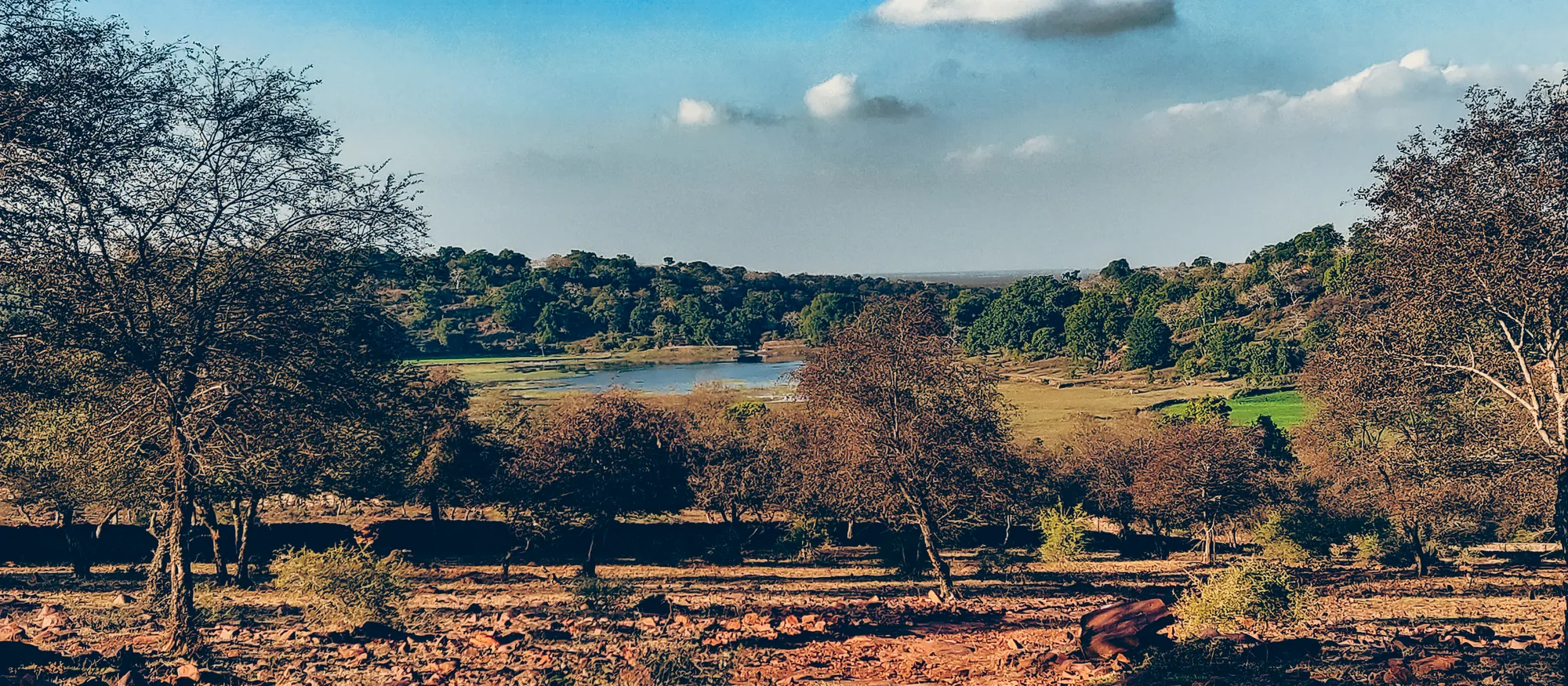
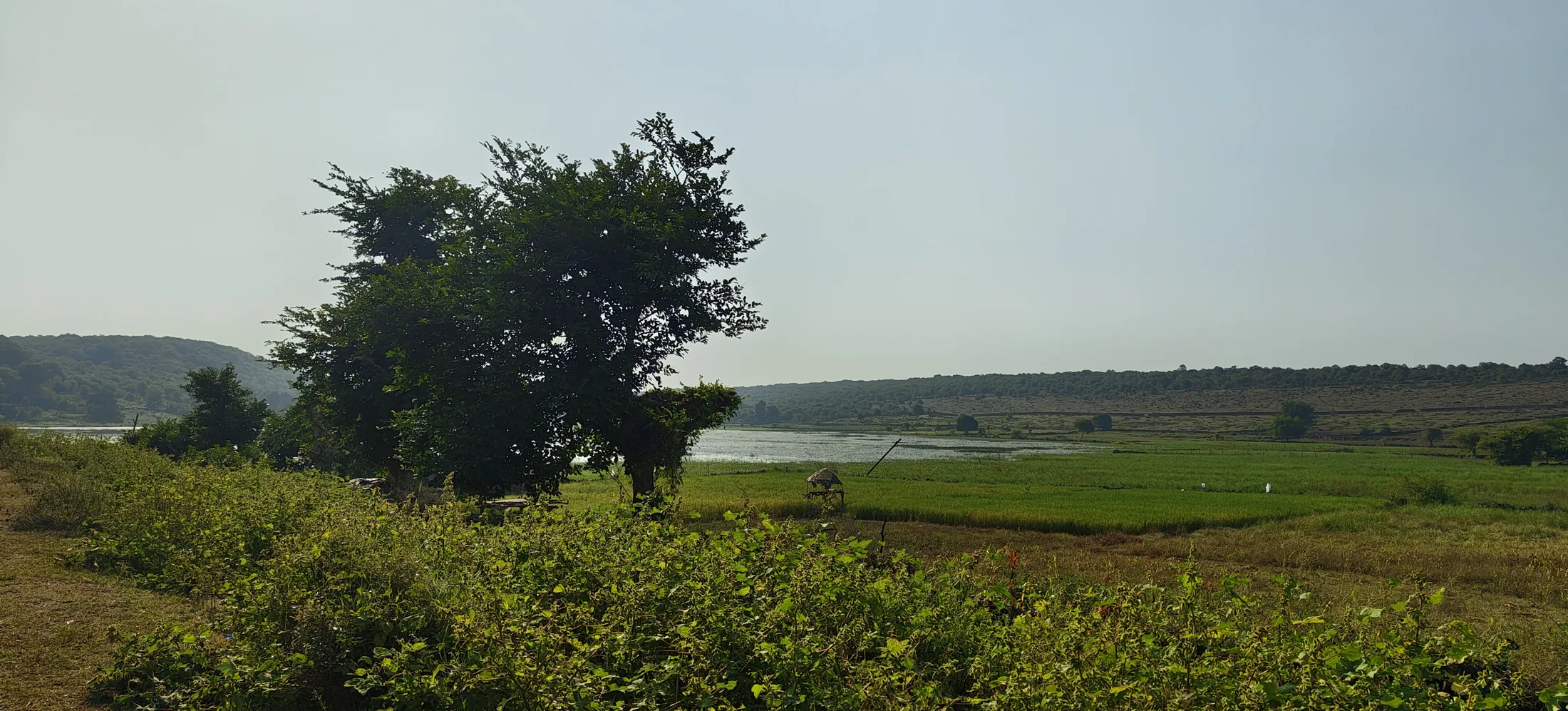
Mandirgarh brings together a seasonal waterbody, open scrub, farmland, woodland edges and old sacred places within a walkable landscape. The proposed pilot is for travellers who value patient observation, simple hospitality and respectful encounters with local life.
One pre-booked group of up to four adults would stay at a time. A separate, non-residential school field day could host one age-banded group of up to 15 students with school-designated teachers or chaperones.
Overnight stay1–4adults per group
School field dayUp to 15students + school chaperones
Learning formats4guided, non-collecting
CommunityLocalhosting, food and guiding
Guided learning formats
Three trails. One school field day.
Every format would be locally guided, non-collecting and adjusted for season, verified access, wildlife sensitivity and participant comfort.
Season-led · gentle exploration
Plants · pollinators · field notes
Flora & pollinator walk
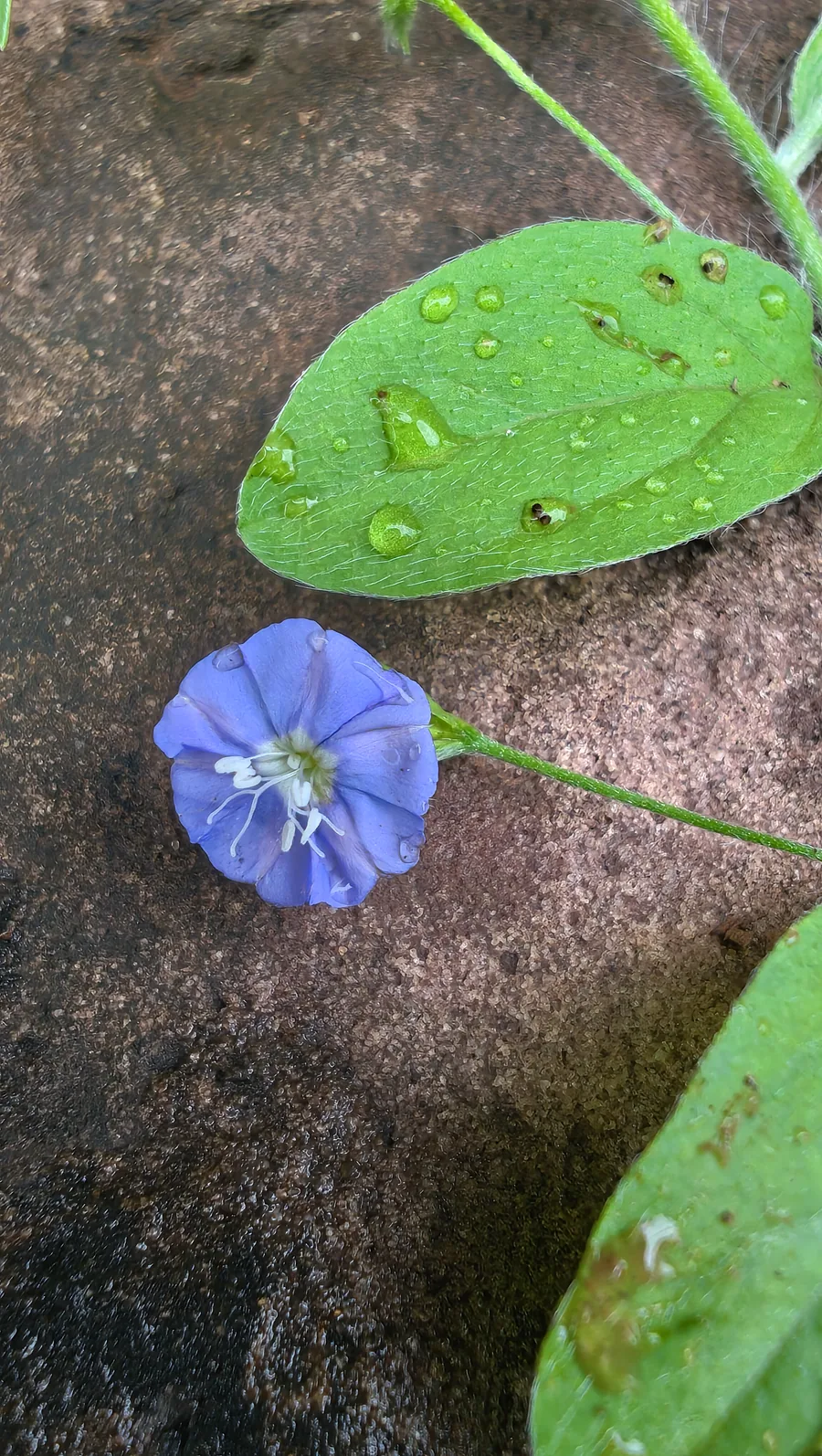
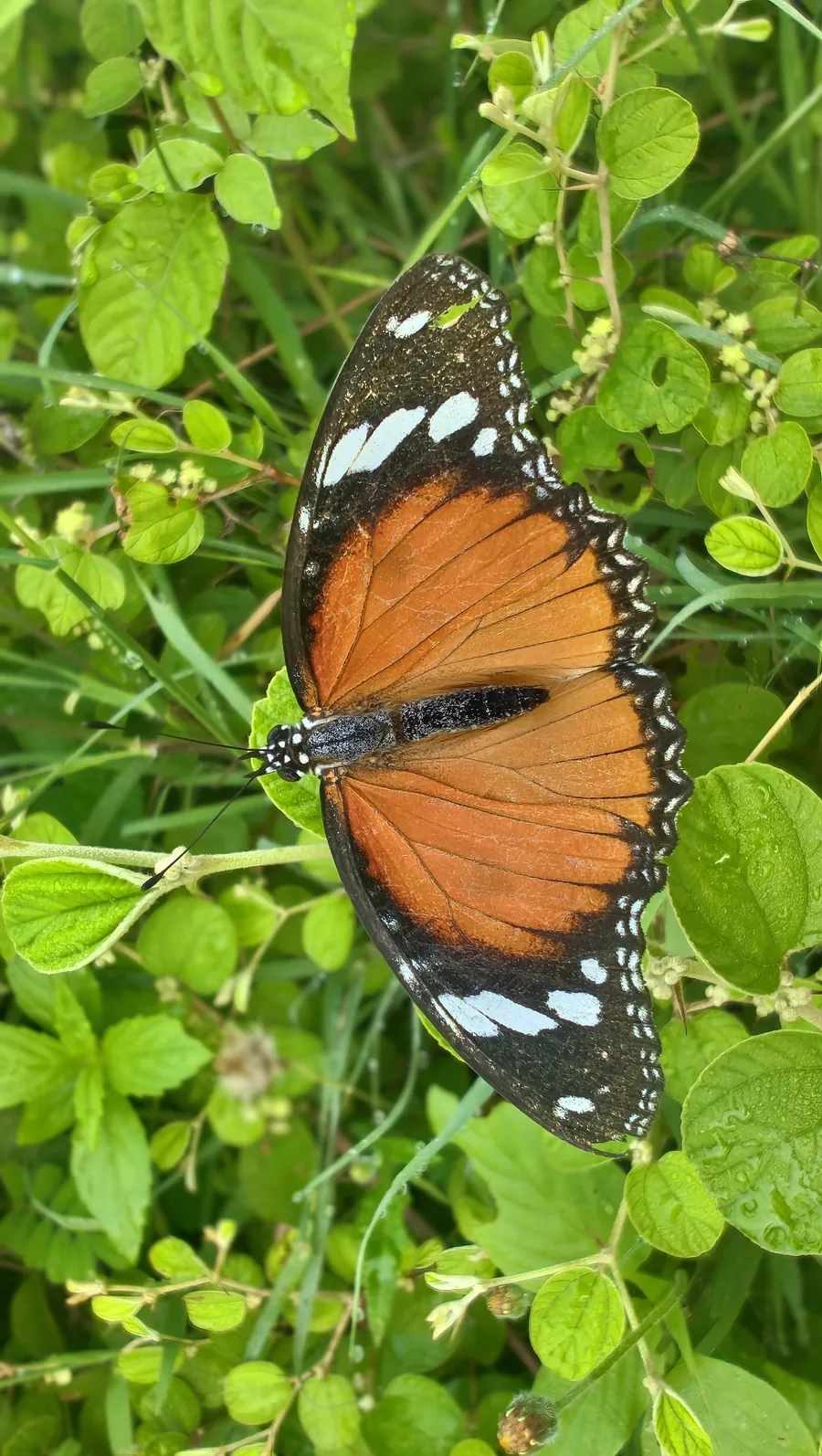
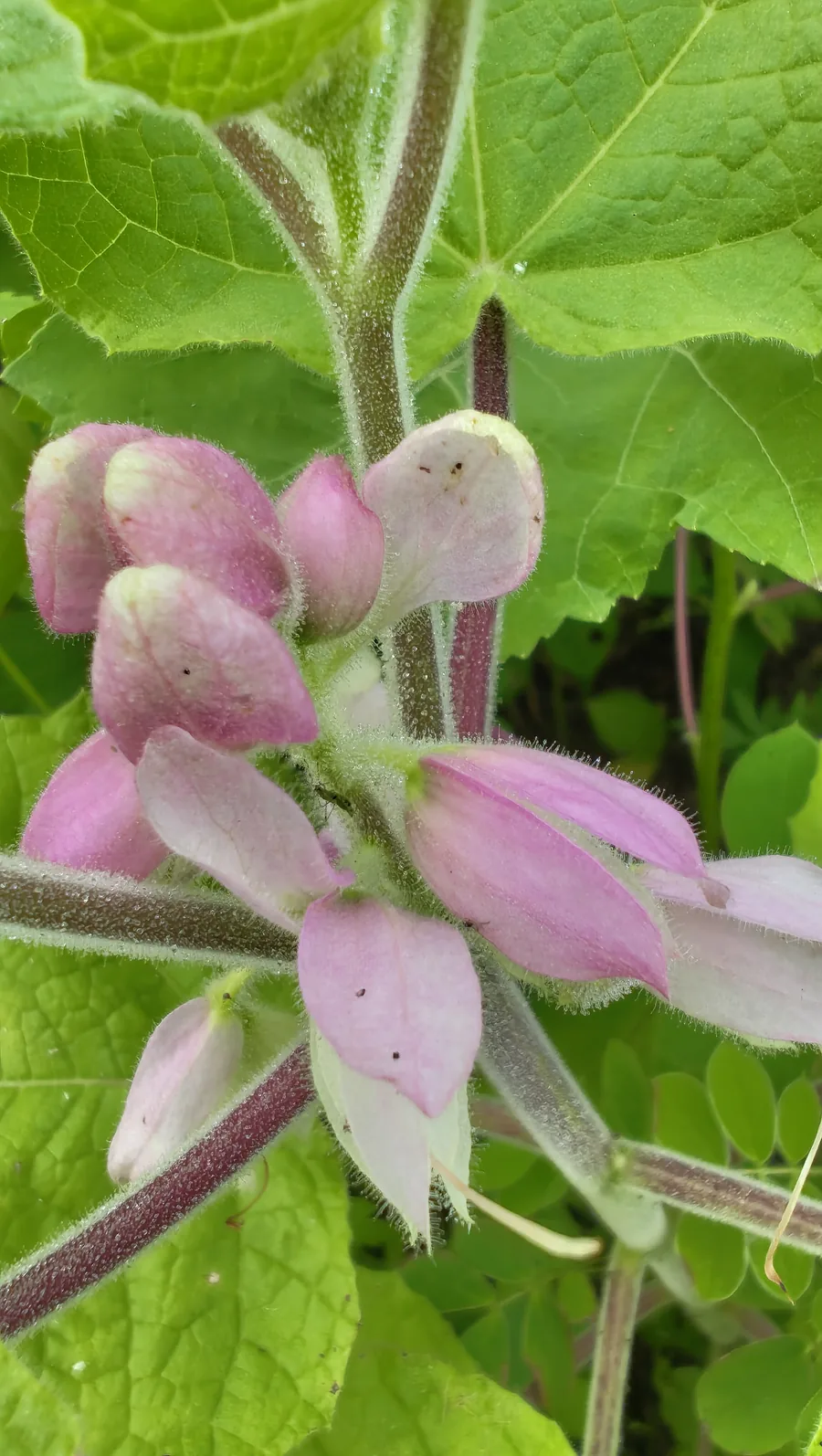
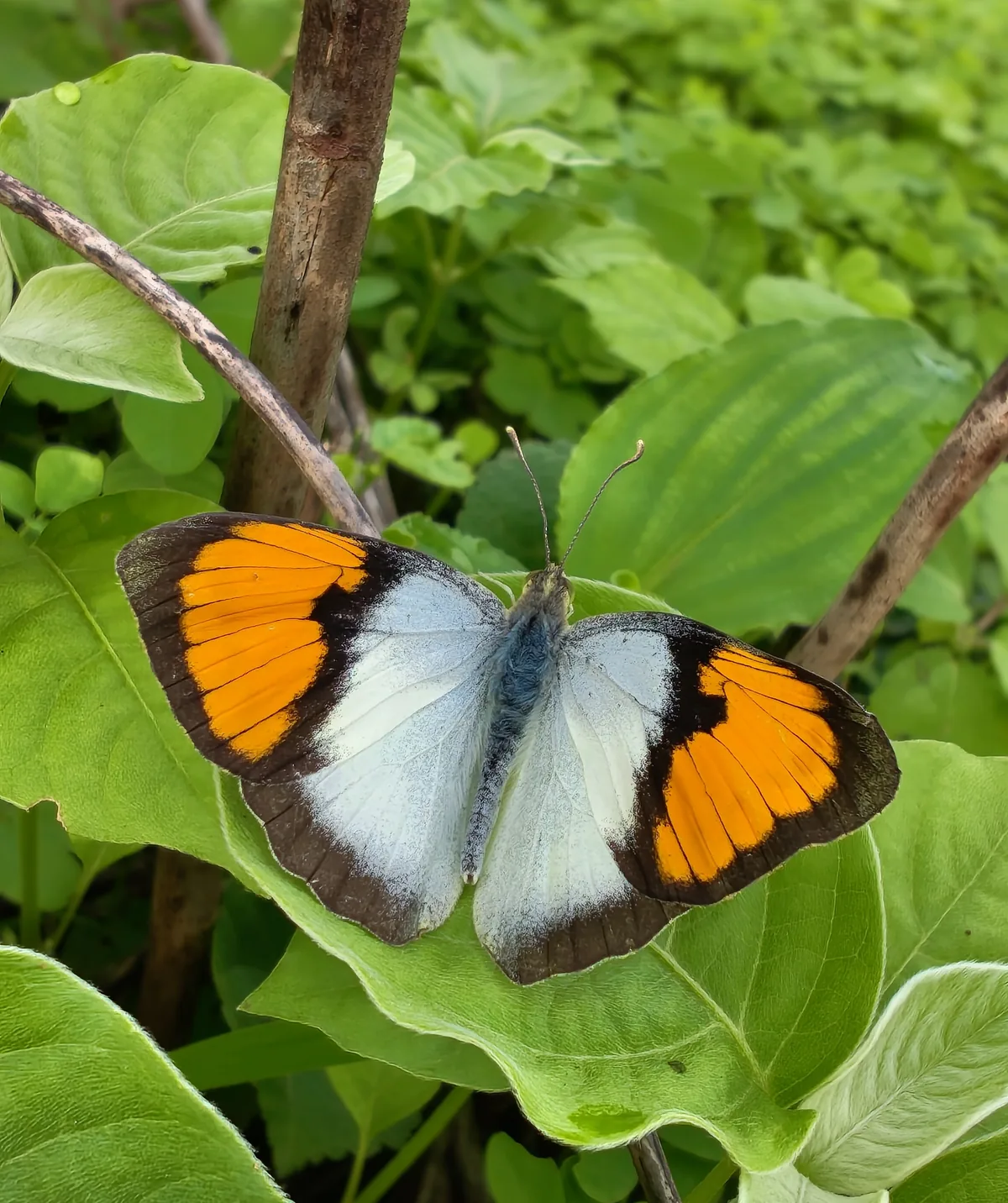
Look closely at seasonal wildflowers, grasses, shrubs, butterflies and bees—and the relationships that hold this dry landscape together.
Wildflowers
Grasses & shrubs
Butterflies & bees
Gentle paceMacro observationNo collection
What can be observed changes with rainfall, flowering and season.
Wetland · scrub · farmland
Water · birds · seasonal change
Wetland & open-country trail
Read the waterbody, scrub, farmland and woodland edge through birds, tracks, calls and seasonal change. The focus is habitat understanding, not a promised sighting.
Birds & calls
Tracks & signs
Seasonal water
Sunrise optionHabitat learningNo sighting promise
Route and timing would follow water conditions, verified access and wildlife sensitivity.
Village · water places · living heritage
Place · memory · local stories
Heritage & village trail
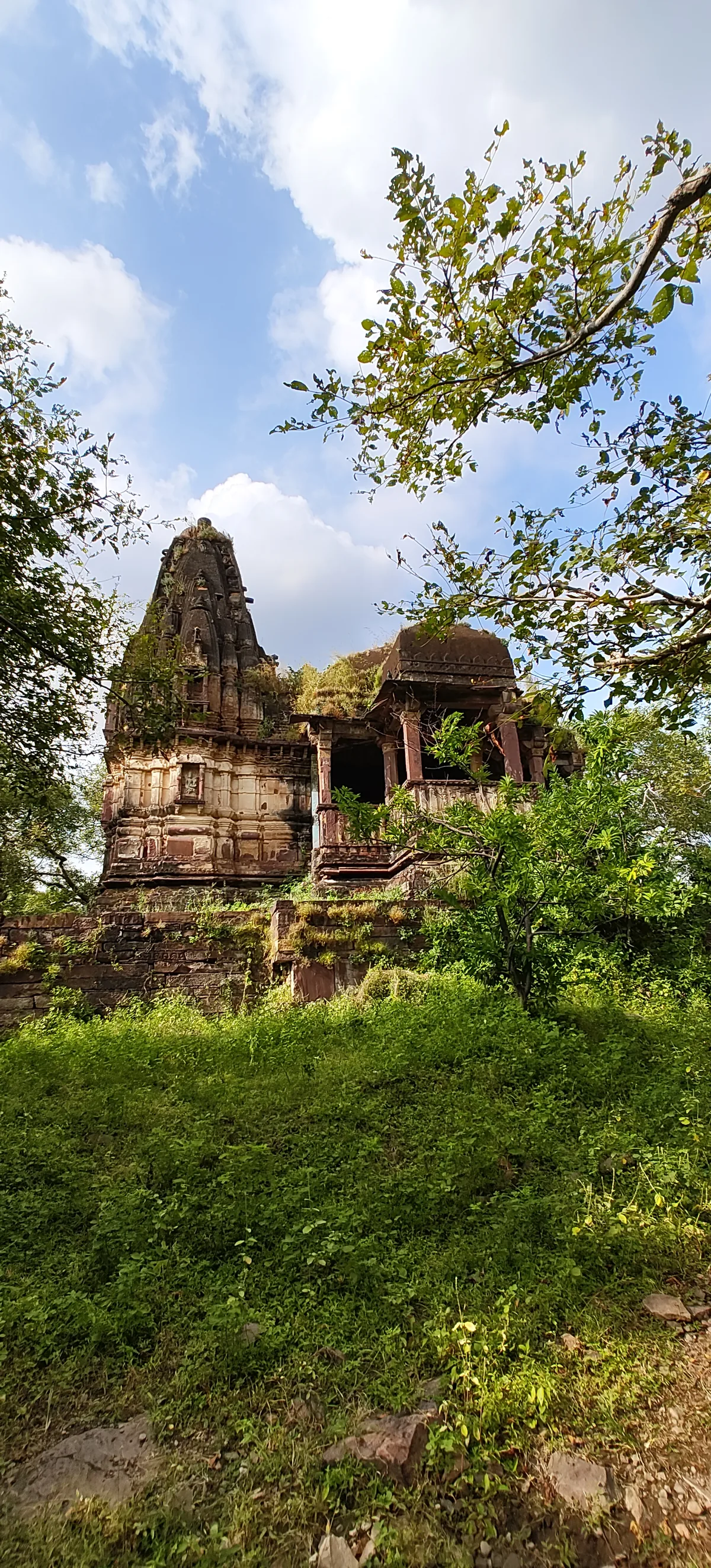
Explore farms, old water places and sacred or historic sites, with local stories. Photographs of people or private places would be shared only with community consent.
Farms & water places
Sacred sites
Local stories
Locally ledConsent firstPhotography by permission
Access would depend on land status, local consent and respect for active places of worship.
Day programme · proposed pilot
Schools · Nature interpretation
School Nature Field Day
One supervised group of up to 15 students, organised by age band 9–13 or 14–17, learns to read Mandirgarh as one connected ecosystem through a locally guided habitat walk and one focused workshop.
Flora & plant relationships
Habitat interpretation
Nature interpretation
Bird observation
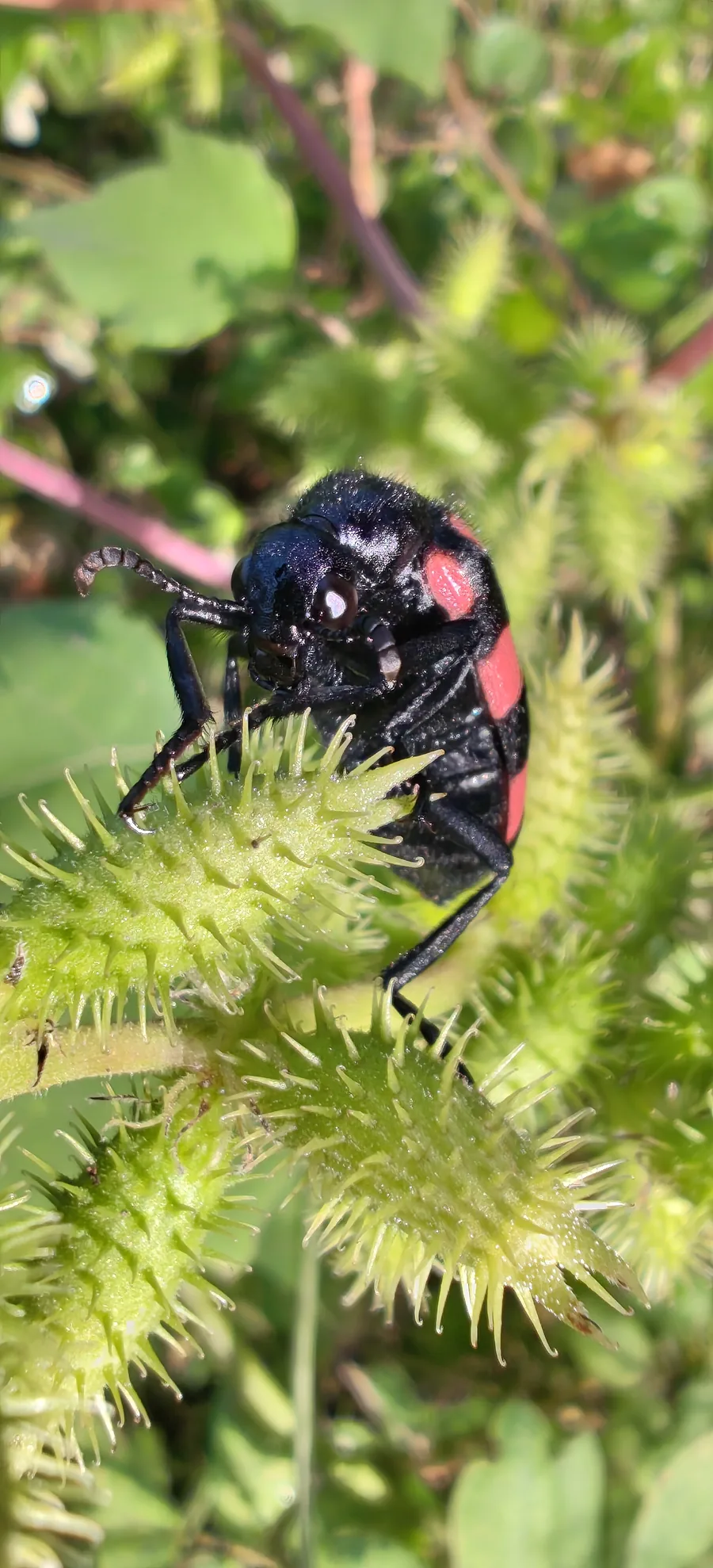
Insects & butterflies
Day visit onlyUp to 15 students + school chaperonesOne age band per batch
Route, timing and activity would be adapted to age, season, weather, permissions and wildlife sensitivity. Observation and field notes only—no collection or wildlife handling.
सुकून भरी यात्रा, स्थानीय जुड़ाव
गाँव में ठहरें, मंदिरगढ़ को करीब से जानें
मंदिरगढ़ में थोड़ी दूरी के भीतर मौसमी तालाब, खुली झाड़ियाँ, खेत, जंगल का किनारा और पुराने आस्था स्थल मिलते हैं। यह प्रस्ताव उन यात्रियों के लिए है जो आराम से प्रकृति देखना, सादा स्थानीय आतिथ्य और गाँव के जीवन को सम्मान के साथ समझना चाहते हैं।
एक समय में पहले से तय अधिकतम चार वयस्कों का एक समूह ठहरेगा। इससे अलग, बिना रात में ठहरे स्कूल के दिन के कार्यक्रम में 9–13 या 14–17 वर्ष के अधिकतम 15 विद्यार्थी स्कूल की ओर से तय शिक्षकों या जिम्मेदार वयस्कों के साथ भाग ले सकेंगे।
रात का ठहराव1–4प्रति समूह वयस्क
स्कूल फील्ड डेअधिकतम 15विद्यार्थी + स्कूल के शिक्षक
सीखने के कार्यक्रम4गाइड के साथ, कुछ भी इकट्ठा नहीं
स्थानीय भागीदारीस्थानीयमेजबानी, भोजन और मार्गदर्शन
गाइड के साथ प्रकृति सीखने के कार्यक्रम
तीन प्रकृति भ्रमण। स्कूल के लिए एक फील्ड डे।
हर कार्यक्रम स्थानीय गाइड के साथ होगा और प्रकृति से कुछ भी इकट्ठा नहीं किया जाएगा। रास्ते और गतिविधियाँ मौसम, जाँची हुई पहुँच, वन्यजीवों की संवेदनशीलता और समूह की सुविधा के अनुसार तय होंगी।
मौसम के अनुसार · आराम से भ्रमण
पौधे · परागण · फील्ड नोट्स
फूल-पौधों, तितलियों और मधुमक्खियों की सैर
मौसमी जंगली फूलों, घास, झाड़ियों, तितलियों और मधुमक्खियों को करीब से देखें और समझें कि ये मिलकर इस इलाके के प्राकृतिक तंत्र को कैसे सहारा देते हैं।
जंगली फूल
घास और झाड़ियाँ
तितलियाँ और मधुमक्खियाँ
आराम से चलनाकरीब से देखनाकुछ इकट्ठा नहीं करना
क्या दिखाई देगा, यह बारिश, फूल आने के समय और मौसम पर निर्भर करेगा।
जलाशय · झाड़ियाँ · खेत
पानी · पक्षी · बदलता मौसम
मौसमी तालाब और खुले इलाके की ट्रेल
पक्षियों, पैरों के निशान, आवाज़ों और मौसम के बदलाव से तालाब, झाड़ियों, खेतों और जंगल के किनारे को समझें। किसी वन्यजीव के दिखने की गारंटी नहीं होगी।
पक्षी और उनकी आवाज़ें
पैरों के निशान
मौसमी पानी
सुबह का विकल्पप्राकृतिक आवास को समझनादिखने की गारंटी नहीं
रास्ता और समय पानी की स्थिति, स्वीकृत पहुँच और वन्यजीवों की संवेदनशीलता के अनुसार तय होगा।
गाँव · पुराने जलस्रोत · जीवित विरासत
जगह · यादें · स्थानीय कहानियाँ
विरासत और गाँव की सैर
खेतों, पुराने जलस्रोतों और आस्था या इतिहास से जुड़ी जगहों को स्थानीय कहानियों के साथ जानें। लोगों या निजी जगहों की तस्वीरें समुदाय की सहमति से ही साझा की जाएँगी।
खेत और जलस्रोत
आस्था के स्थान
स्थानीय कहानियाँ
स्थानीय गाइडपहले सहमतिअनुमति से फोटोग्राफी
रास्ता भूमि की स्थिति, स्थानीय सहमति और पूजा के सक्रिय स्थानों के सम्मान के अनुसार तय होगा।
दिन का कार्यक्रम · प्रस्तावित पायलट
स्कूल · प्रकृति को समझने का कार्यक्रम
स्कूल नेचर फील्ड डे
9–13 या 14–17 वर्ष के अधिकतम 15 विद्यार्थियों का एक समूह स्कूल के शिक्षकों या जिम्मेदार वयस्कों की देखरेख में भाग ले सकेगा। स्थानीय गाइड के साथ प्रकृति भ्रमण और चुने हुए विषय पर एक वर्कशॉप के जरिए बच्चे समझेंगे कि मंदिरगढ़ के अलग-अलग प्राकृतिक आवास एक-दूसरे से कैसे जुड़े हैं।
स्थानीय पेड़-पौधे और उनके आपसी संबंध
प्राकृतिक आवास को समझना
प्रकृति के संकेत पढ़ना
पक्षी देखना और पहचानना
कीट-पतंगे और तितलियाँ
केवल दिन का कार्यक्रमअधिकतम 15 विद्यार्थी + स्कूल के शिक्षक/जिम्मेदार वयस्कहर बैच में एक ही आयु-वर्ग
रास्ता, समय और गतिविधियाँ बच्चों की उम्र, मौसम, जरूरी अनुमतियों और वन्यजीवों की संवेदनशीलता के अनुसार तय होंगी। केवल देखना और फील्ड नोट्स बनाना शामिल होगा—कुछ इकट्ठा करना या वन्यजीवों को छूना मना होगा।
Controlled by design
A small pilot with clear limits
The operating model separates the adult homestay from school day visits and places access, safety and habitat protection ahead of volume.
01Capacity
Up to four adult overnight guests or one 15-student day batch—never both at the same time during the initial pilot.
02Access
Only legally accessible, pre-cleared routes, timings and seasonal windows; departmental directions take precedence.
03Safety
Named facilitators, school chaperones, first aid, attendance and emergency contacts, weather checks and a return-time plan.
04Conservation
No wildlife guarantees, sensitive-location publicity, collection, handling, playback, feeding, fires or off-route movement.
पहले से तय नियम
छोटा पायलट, साफ सीमाएँ
वयस्कों का होमस्टे और स्कूल का दिन का कार्यक्रम अलग-अलग चलेंगे। अधिक संख्या के बजाय सुरक्षित पहुँच और वन्यजीवों के आवास की रक्षा को प्राथमिकता दी जाएगी।
01क्षमता
एक समय में अधिकतम चार वयस्क रात में ठहरेंगे या 15 विद्यार्थियों का एक दिन का बैच आएगा—शुरुआती पायलट में दोनों एक साथ नहीं होंगे।
02पहुँच
केवल उन्हीं रास्तों का उपयोग होगा जहाँ जाना कानूनी रूप से मंजूर हो और जिन्हें पहले जाँच लिया गया हो। समय और मौसम की सीमा लागू होगी, और वन विभाग के निर्देश सर्वोपरि होंगे।
03सुरक्षा
नामित टीम सदस्य, स्कूल के शिक्षक या जिम्मेदार वयस्क, फर्स्ट-एड, उपस्थित लोगों की सूची, आपात संपर्क, मौसम की जाँच और लौटने का तय समय।
04संरक्षण
वन्यजीव दिखने का कोई वादा नहीं। संवेदनशील जगहों को सार्वजनिक करना, कुछ इकट्ठा करना, वन्यजीवों को छूना या खिलाना, रिकॉर्ड की हुई पक्षी आवाज़ें बजाना, आग जलाना या तय रास्ते से हटना मना होगा।
One walk, many habitatsWetland · farmland · scrub · woodland edgeएक सैर, कई तरह के प्राकृतिक इलाकेमौसमी तालाब · खेत · झाड़ियाँ · जंगल का किनारा
Look beyond the obvious
Small worlds reward slow eyes
Flowers, pollinators and insects turn a short walk into a changing field notebook.
छोटी चीज़ों पर भी नज़र डालें
धीरे देखें, प्रकृति की छोटी दुनिया खुलती है
फूल, तितलियाँ और दूसरे कीट हर छोटी सैर में देखने-समझने के लिए कुछ नया जोड़ देते हैं।
Observe without disturbance
Wildlife, habitats and living heritage
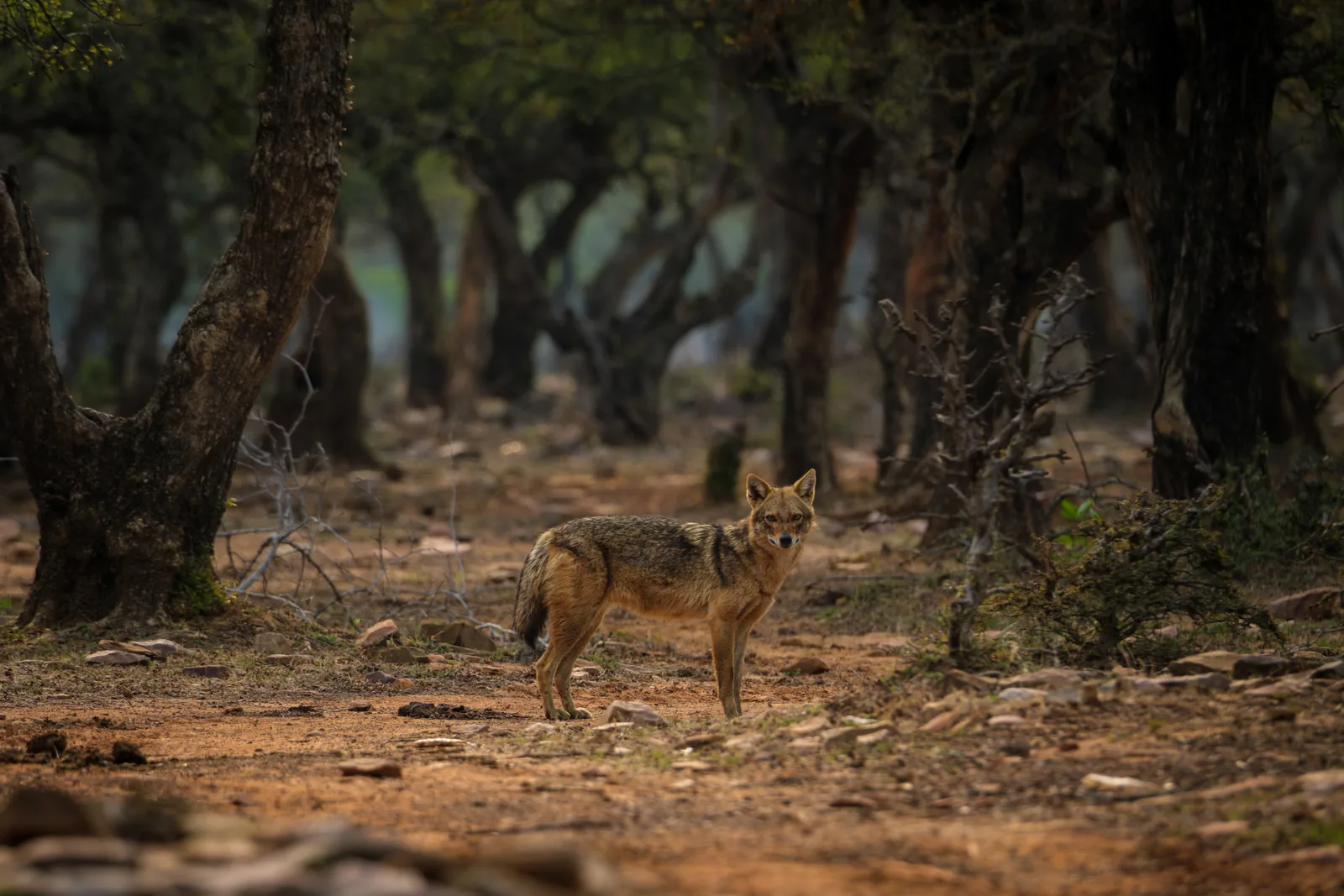
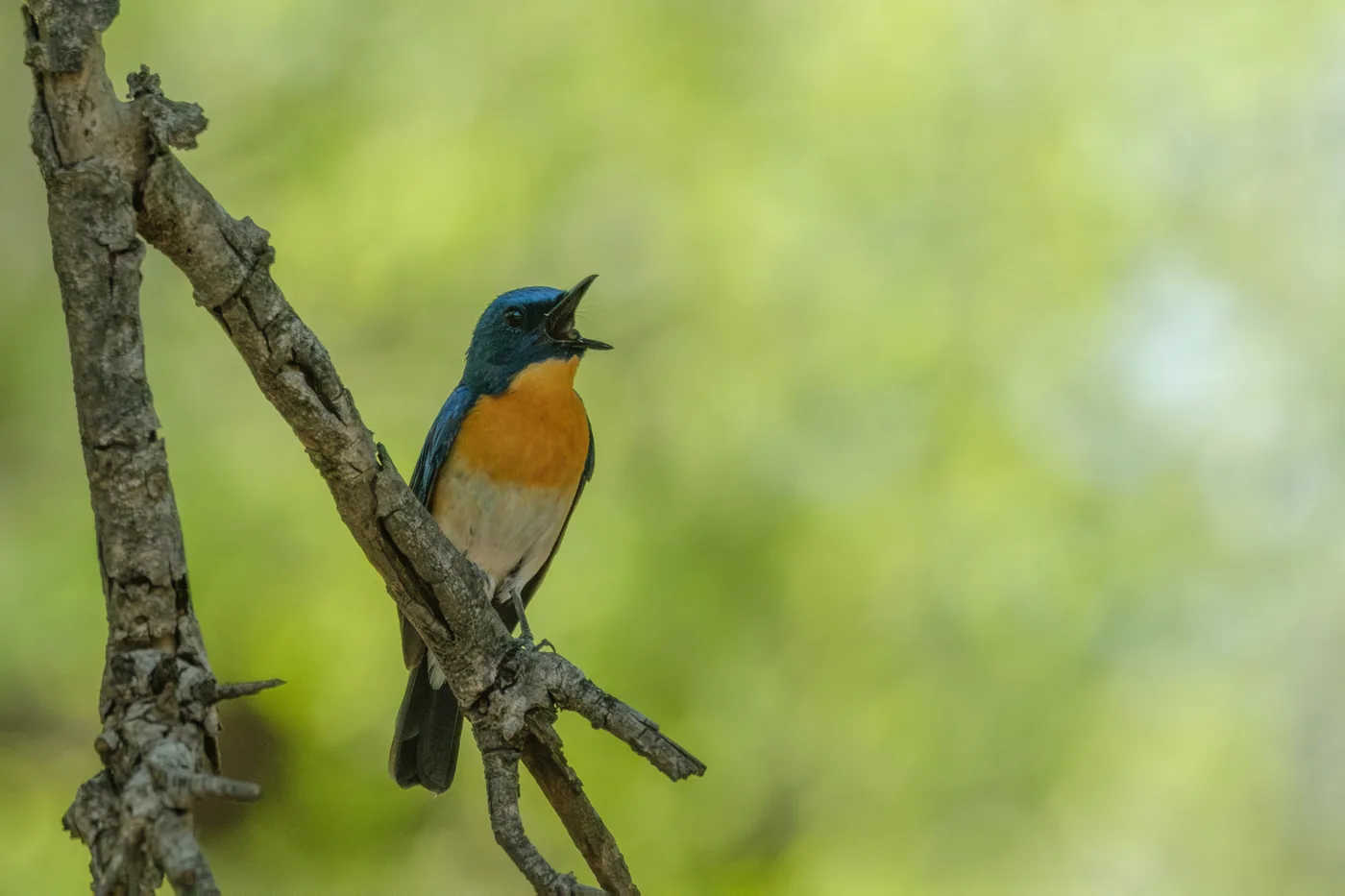
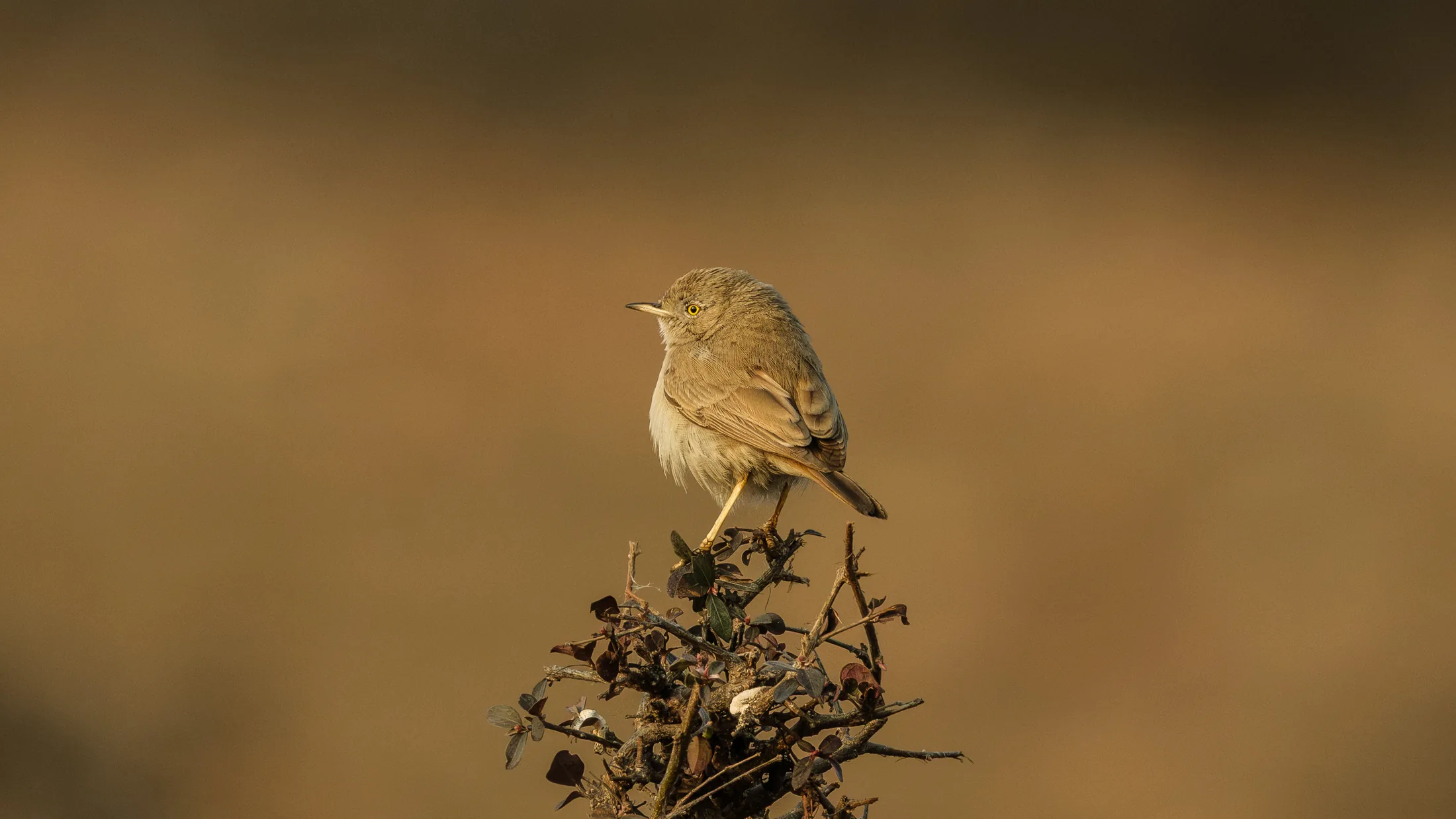
A small selection of species and places recorded around Mandirgarh. Open any image for a closer view. What can be seen changes with rainfall, flowering, crops and migration; no sighting is promised.
देखें, पहचानें, बिना दखल लौटें
मंदिरगढ़ के वन्यजीव, प्राकृतिक इलाके और विरासत
यहाँ आसपास दर्ज कुछ प्रजातियों और जगहों की झलक है। किसी तस्वीर को बड़ा देखने के लिए उस पर क्लिक करें। मौसम के साथ दृश्य बदलते हैं; किसी वन्यजीव के दिखने की गारंटी नहीं है।
Scaly-breasted Muniaचित्तीदार मुनियाIndian PittaनवरंगIndian RollerनीलकंठIndian Hareभारतीय खरहाCommon Leopard butterfliesकॉमन लेपर्ड तितलियाँPheasant-tailed JacanaजलमयूरIndian Paradise FlycatcherदूधराजOriental Honey-buzzardमधु-बाज़Common Cuckooकॉमन कुक्कूBlack-headed Cuckooshrikeब्लैक-हेडेड कुक्कूश्राइकLong-tailed Shrikeलंबी पूँछ वाला लटोराCommon Woodshrikeकॉमन वुडश्राइकBrown-capped Pygmy Woodpeckerब्राउन-कैप्ड पिग्मी वुडपेकरIndian Cuckooshrikeइंडियन कुक्कूश्राइकGreater Painted-snipeग्रेटर पेंटेड-स्नाइपMonsoon woodland habitatबारिश के मौसम का जंगलTemple stone carvingमंदिर की शिल्पाकृति
Explore real observations
See what has been recorded nearby
Browse community-contributed records to understand the landscape across seasons. These lists are a guide to possibility, not a promise of sightings.
पास के दर्ज रिकॉर्ड देखें
जानें, आसपास कौन-सी प्रजातियाँ दर्ज हुई हैं
अलग-अलग मौसमों में इस इलाके को समझने के लिए स्थानीय लोगों और प्रकृति प्रेमियों द्वारा दर्ज रिकॉर्ड देखें। ये सूचियाँ केवल संभावनाएँ दिखाती हैं; किसी वन्यजीव के दिखने की गारंटी नहीं है।
Use the map to understand how the waterbody, village, heritage places and potential walking connections relate to one another. The lines and markers present a working concept for departmental discussion—not an approved public trail.
योजना को नक्शे पर समझें
प्रस्तावित पैदल क्षेत्र देखें
इस नक्शे से तालाब, गाँव, विरासत स्थलों और संभावित पैदल रास्तों के आपसी संबंध को समझा जा सकता है। इसमें दिखाई गई रेखाएँ और स्थान विभाग से चर्चा के लिए शुरुआती योजना हैं—ये मंजूर सार्वजनिक ट्रेल नहीं हैं।
Planning reference only: routes and locations remain subject to land-status checks, local consent, Forest Department review, weather and safety.
केवल योजना के संदर्भ के लिए: अंतिम रास्ते और स्थान भूमि की स्थिति, स्थानीय सहमति, वन विभाग की समीक्षा, मौसम और सुरक्षा की जाँच के बाद ही तय होंगे।
General landscape context · not a route mapइलाके का सामान्य दृश्य · यह रास्ते का नक्शा नहीं है
Verification before operation
The map proposes a plan; verification decides the route
The interactive map communicates the working concept; it does not establish public access. Exact operating routes would be confirmed only after land-status checks, local consent and departmental review.
WetlandFarmlandScrubWoodland edge
Planning principle: verified access, seasonal conditions, wildlife sensitivity and safety determine every route and timing.
कार्यक्रम से पहले रास्तों की जाँच
नक्शा योजना दिखाता है; अंतिम रास्ता जाँच के बाद तय होगा
इंटरैक्टिव नक्शा शुरुआती योजना को समझाता है; इससे सार्वजनिक प्रवेश का अधिकार तय नहीं होता। अंतिम रास्ते जमीन की स्थिति, स्थानीय सहमति और वन विभाग की समीक्षा के बाद ही तय होंगे।
मौसमी तालाबखेतझाड़ियाँजंगल का किनारा
योजना का नियम: हर रास्ता और समय जाँची हुई पहुँच, मौसम की स्थिति, वन्यजीवों की संवेदनशीलता और सुरक्षा के आधार पर तय होगा।
Simple by design
What the proposed stay would include
A clean room in a local host’s home
Simple local meals agreed around dietary needs
Safe drinking water, clean bedding and mosquito protection
Locally guided walks within permitted areas
One adult homestay group at a time; school batches are separate supervised day programmes
This would not be a resort. Comfort, safety, quiet and genuine local benefit would take priority over luxury.
जान-बूझकर सादा
प्रस्तावित होमस्टे में क्या मिलेगा
स्थानीय मेजबान के घर में एक साफ कमरा
खाने की जरूरतों के अनुसार पहले से तय सादा स्थानीय भोजन
पीने का सुरक्षित पानी, साफ बिस्तर और मच्छरों से बचाव
केवल अनुमति वाले क्षेत्रों में स्थानीय गाइड के साथ सैर
एक समय में वयस्कों का एक होमस्टे समूह; स्कूल के बैच अलग, देखरेख वाले दिन के कार्यक्रम होंगे
यह रिसॉर्ट नहीं होगा। यहाँ लक्ज़री से अधिक आराम, सुरक्षा, शांति और स्थानीय लोगों को मिलने वाला वास्तविक लाभ महत्वपूर्ण होगा।
Next step · Departmental review
A pilot to review, not a product to book
Before any date is discussed, the project will document host readiness, legal access, programme leadership, school supervision where relevant, emergency arrangements and the applicable permissions.
Adult homestay pilotOne pre-booked group · 1–4 adults
Existing host home, local meals and guided interpretation on cleared routes.
School nature-learning pilotOne day batch · up to 15 students
One age band, school chaperones, structured habitat learning and no overnight stay.
अगला कदम · वन विभाग की समीक्षा
यह पायलट पहले समीक्षा के लिए है, अभी बुकिंग के लिए नहीं
किसी तारीख की बात करने से पहले मेजबान की तैयारी, कानूनी पहुँच, कार्यक्रम चलाने वाली टीम, जहाँ लागू हो स्कूल द्वारा तय देखरेख, आपात व्यवस्था और लागू अनुमतियाँ लिखित रूप में दर्ज की जाएँगी।
वयस्क होमस्टे पायलटपहले से तय एक समूह · 1–4 वयस्क
स्थानीय मेजबान का मौजूदा घर, स्थानीय भोजन और जाँचे व मंजूर रास्तों पर गाइड के साथ प्रकृति की जानकारी।
स्कूल प्रकृति-शिक्षा पायलटदिन का एक बैच · अधिकतम 15 विद्यार्थी
एक आयु-वर्ग, स्कूल के शिक्षक या जिम्मेदार वयस्क, तय प्रकृति-अध्ययन कार्यक्रम और रात में ठहराव नहीं।
A careful beginning
Small groups. Local benefit. A lighter footprint.
The proposal will move forward only when local consent, legally accessible routes, required permissions, trained facilitators and safety arrangements are documented.
सावधानी से शुरुआत
छोटे समूह। स्थानीय लाभ। प्रकृति पर कम असर।
यह प्रस्ताव तभी आगे बढ़ेगा, जब स्थानीय सहमति, कानूनी रूप से मंजूर रास्ते, जरूरी अनुमतियाँ, प्रशिक्षित टीम और सुरक्षा व्यवस्था लिखित रूप में दर्ज होंगी।
Support This Independent Portal
Help maintain verified Mukundara information
MHTR.in is an independently maintained public-interest portal for source-cited Mukundara records,
field notes, maps, species references, and conservation-safe context. Reader contributions help keep
the archive updated, accessible, and careful.

 Season-led · gentle exploration