Conservation-first pilot · Consultation draftसंरक्षण को प्राथमिकता · चर्चा के लिए मसौदा
A tribal village · Rajasthan
A village stay that gives back to the forest
A proposed community-run nature stay and school learning programme: small, low-impact and conservation-first, with income staying in the village and support flowing to forest protection.
समुदाय द्वारा चलाए जाने वाले प्रकृति-ठहराव और स्कूल प्रकृति-शिक्षा का प्रस्ताव—छोटा, प्रकृति पर कम असर वाला और संरक्षण को प्राथमिकता देने वाला। आय गाँव में रहे और वन सुरक्षा को सहयोग मिले।
Concept stage — not open for booking.Overnight stays, school day visits, routes, capacity, pricing and operating dates would be confirmed only after local consent, required permissions and safety planning.Disclosure: this is a personal proposal by Vinay Chittora, who also edits MHTR.in. It is not a Forest Department scheme and is not endorsed by any authority. MHTR.in takes no bookings or payments; if approved, hosting and income would sit with the local host families and village committee.
प्रस्ताव के स्तर पर — अभी बुकिंग शुरू नहीं हुई है।रात में ठहरना, स्कूल के दिन के कार्यक्रम, रास्ते, समूह की संख्या, शुल्क और तारीखें स्थानीय सहमति, जरूरी अनुमतियों और सुरक्षा योजना के बाद ही तय होंगी।स्पष्टीकरण: यह विनय चित्तौड़ा का निजी प्रस्ताव है, जो MHTR.in का संपादन भी करते हैं। यह वन विभाग की योजना नहीं है और किसी प्राधिकरण द्वारा समर्थित नहीं है। MHTR.in कोई बुकिंग या भुगतान नहीं लेता; मंजूरी मिलने पर मेजबानी और आय स्थानीय मेजबान परिवारों और ग्राम समिति के पास रहेगी।
Consultation draft · 21 July 2026Project coordination · Vinay Chittora
चर्चा के लिए मसौदा · 21 जुलाई 2026परियोजना समन्वय · विनय चित्तौड़ा
Slow travel, locally rooted
A village stay shaped by place
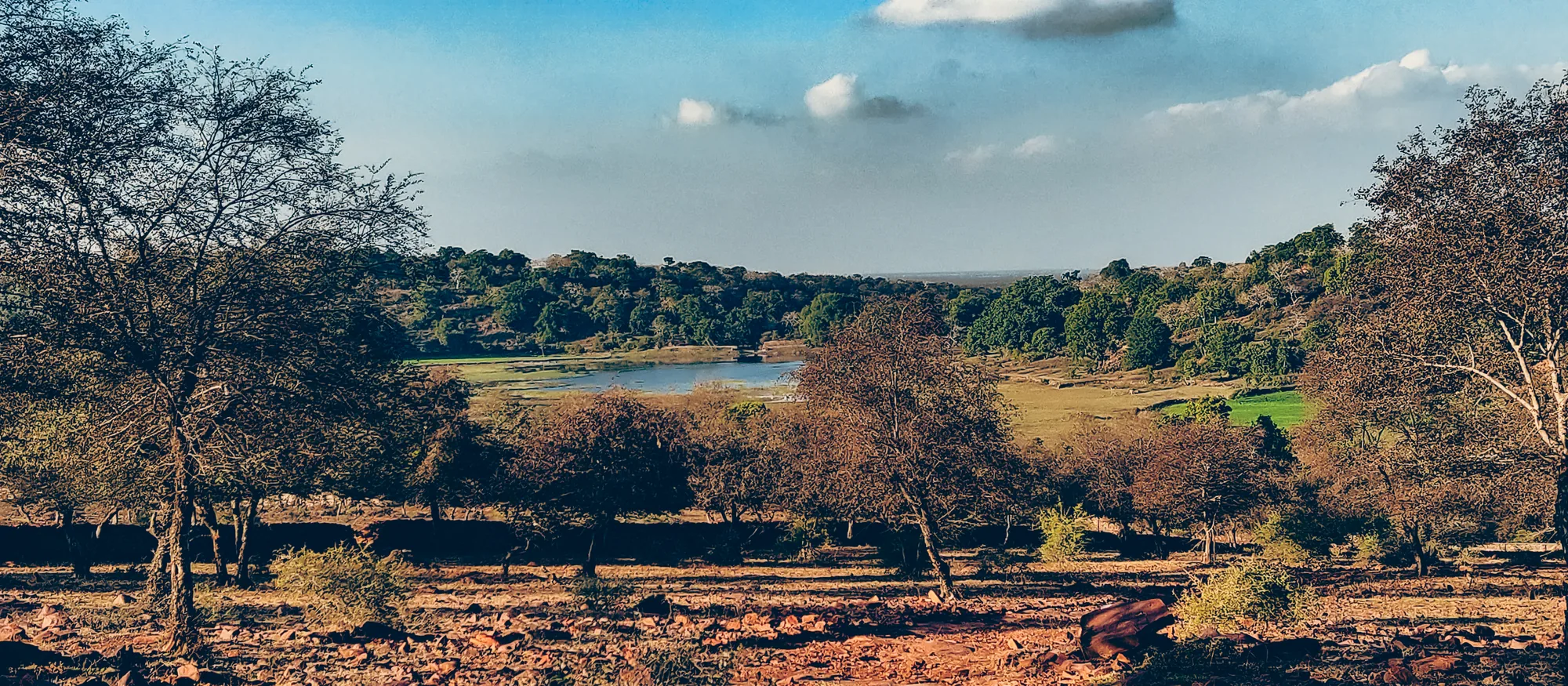
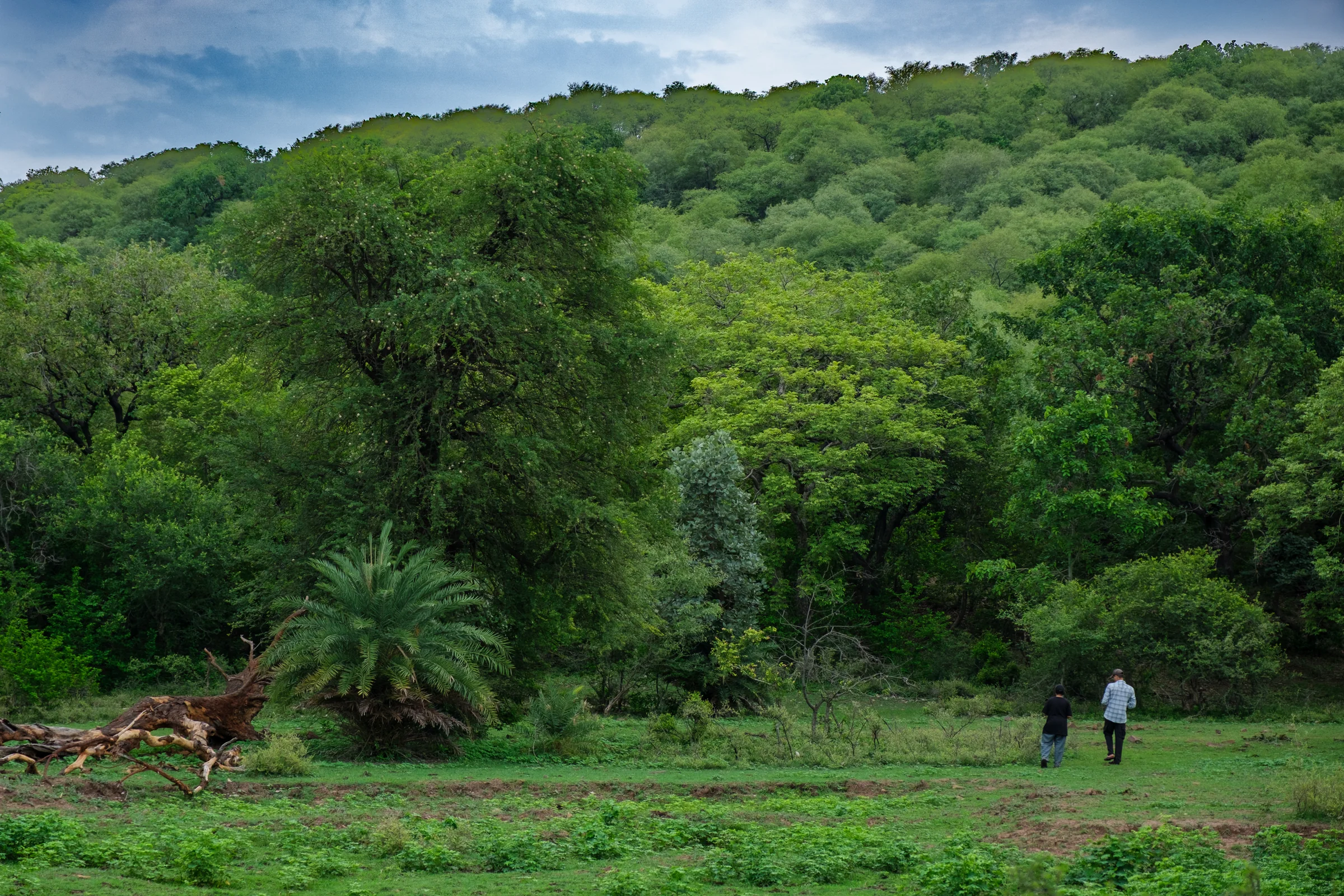
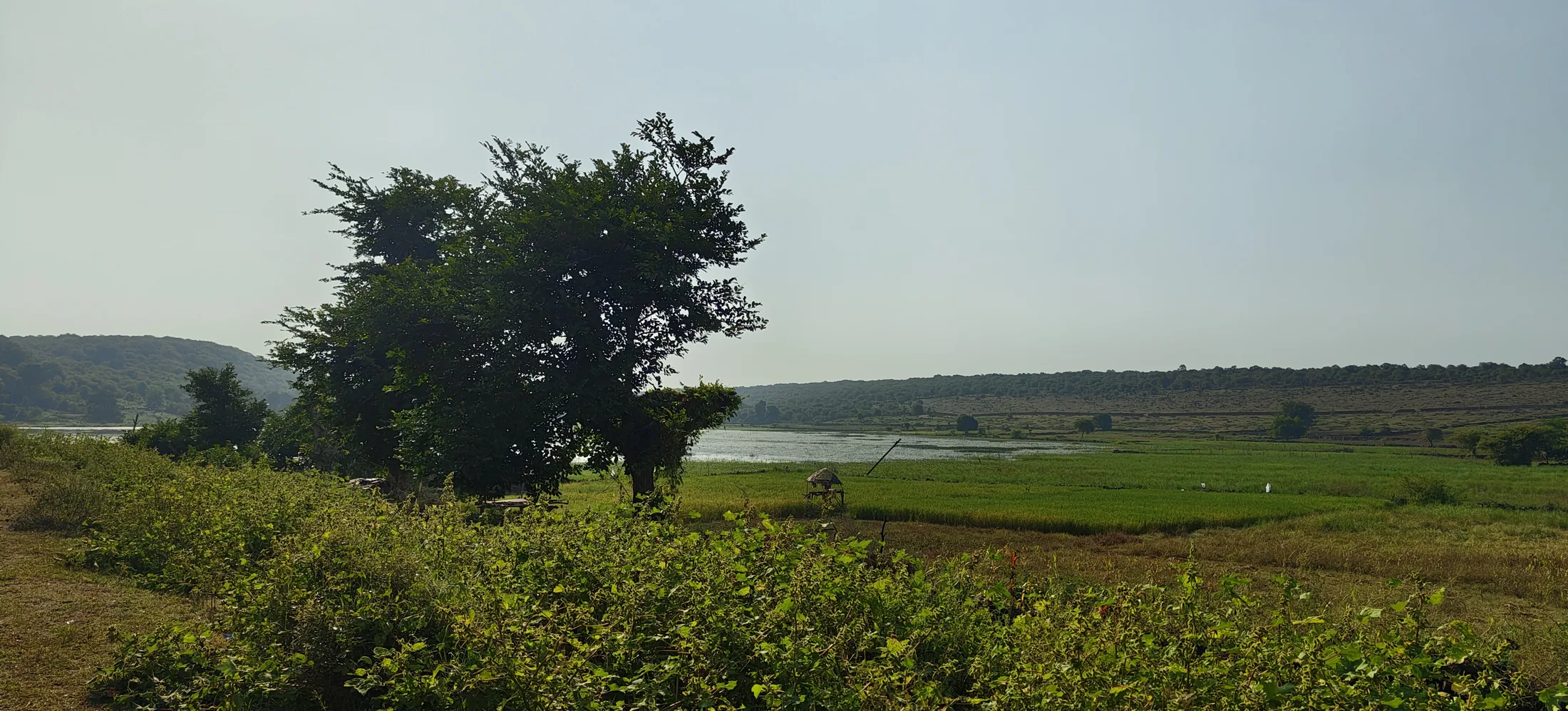
The village brings together a seasonal waterbody, open scrub, farmland, woodland edges and old sacred places within a walkable landscape. The proposed pilot is for travellers who value patient observation, simple hospitality and respectful encounters with local life.
One pre-booked group of up to four adults would stay at a time. A separate, non-residential school field day could host one age-banded group of up to 15 students with school-designated teachers or chaperones.
Overnight stay1–4adults per group
School field dayUp to 15students + school chaperones
Learning formats4guided, non-collecting
CommunityLocalhosting, food and guiding
Guided learning formats
Three trails. One school field day.
Every format would be locally guided, non-collecting and adjusted for season, verified access, wildlife sensitivity and participant comfort.
Season-led · gentle exploration
Plants · pollinators · field notes
Flora & pollinator walk
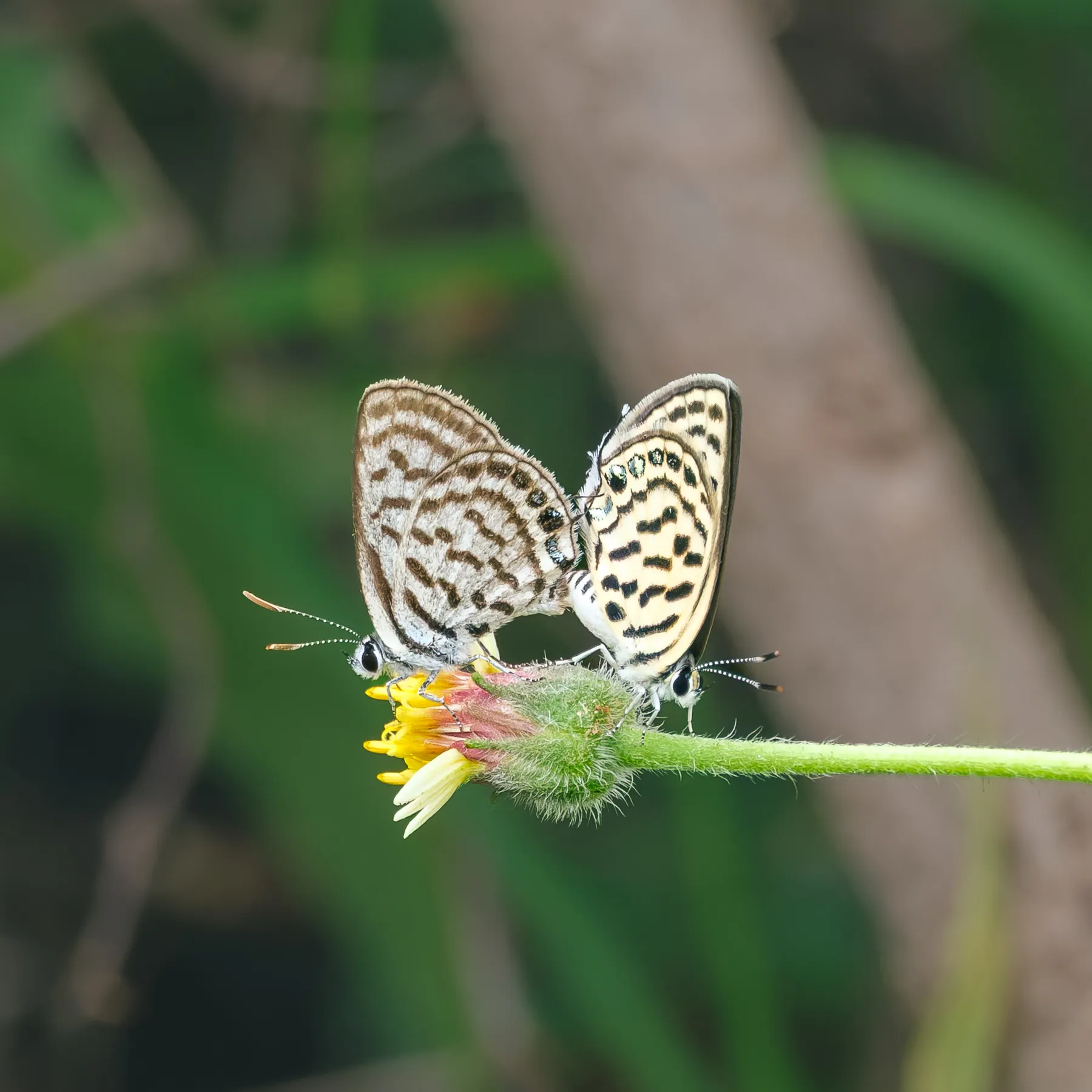
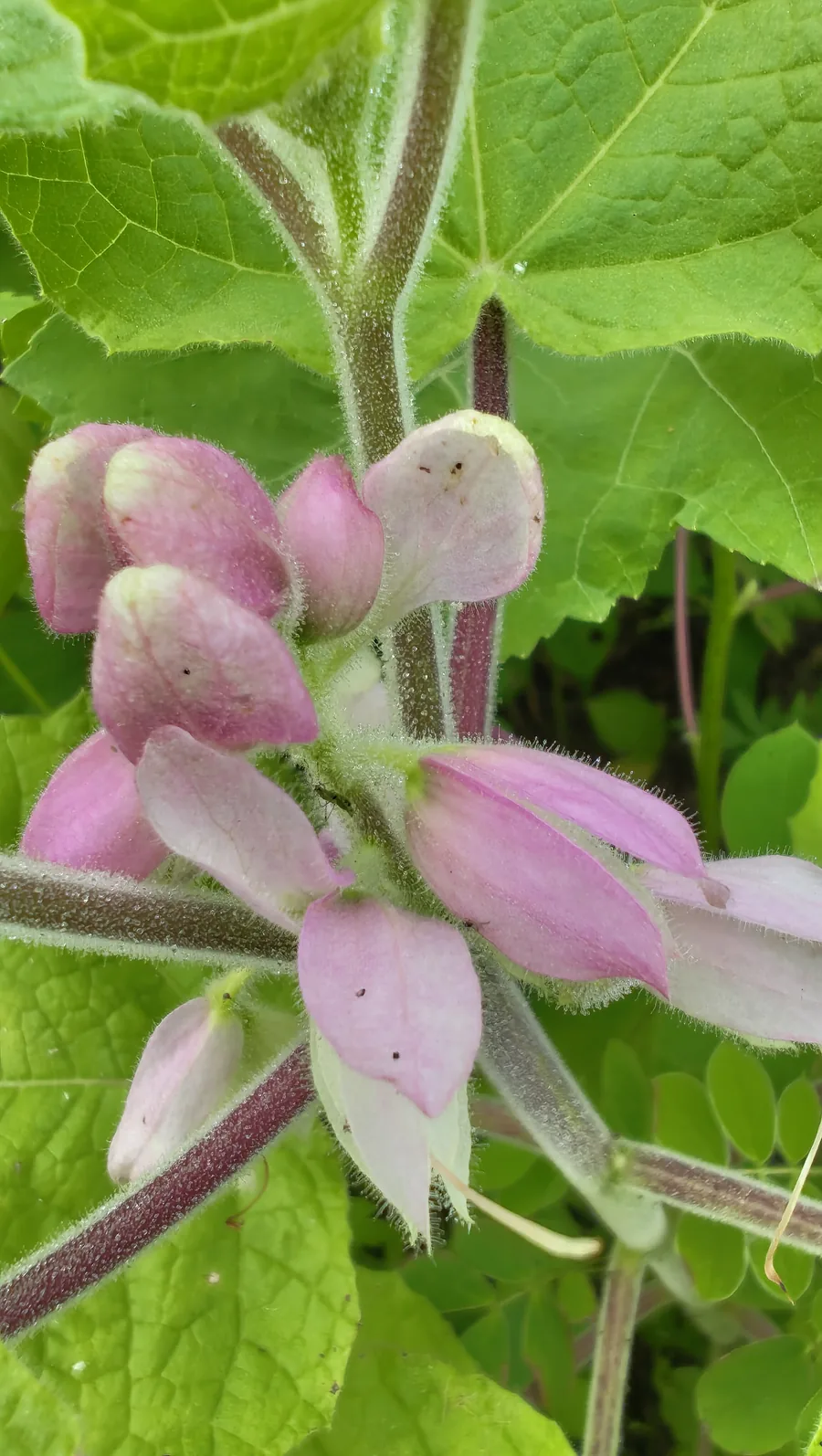
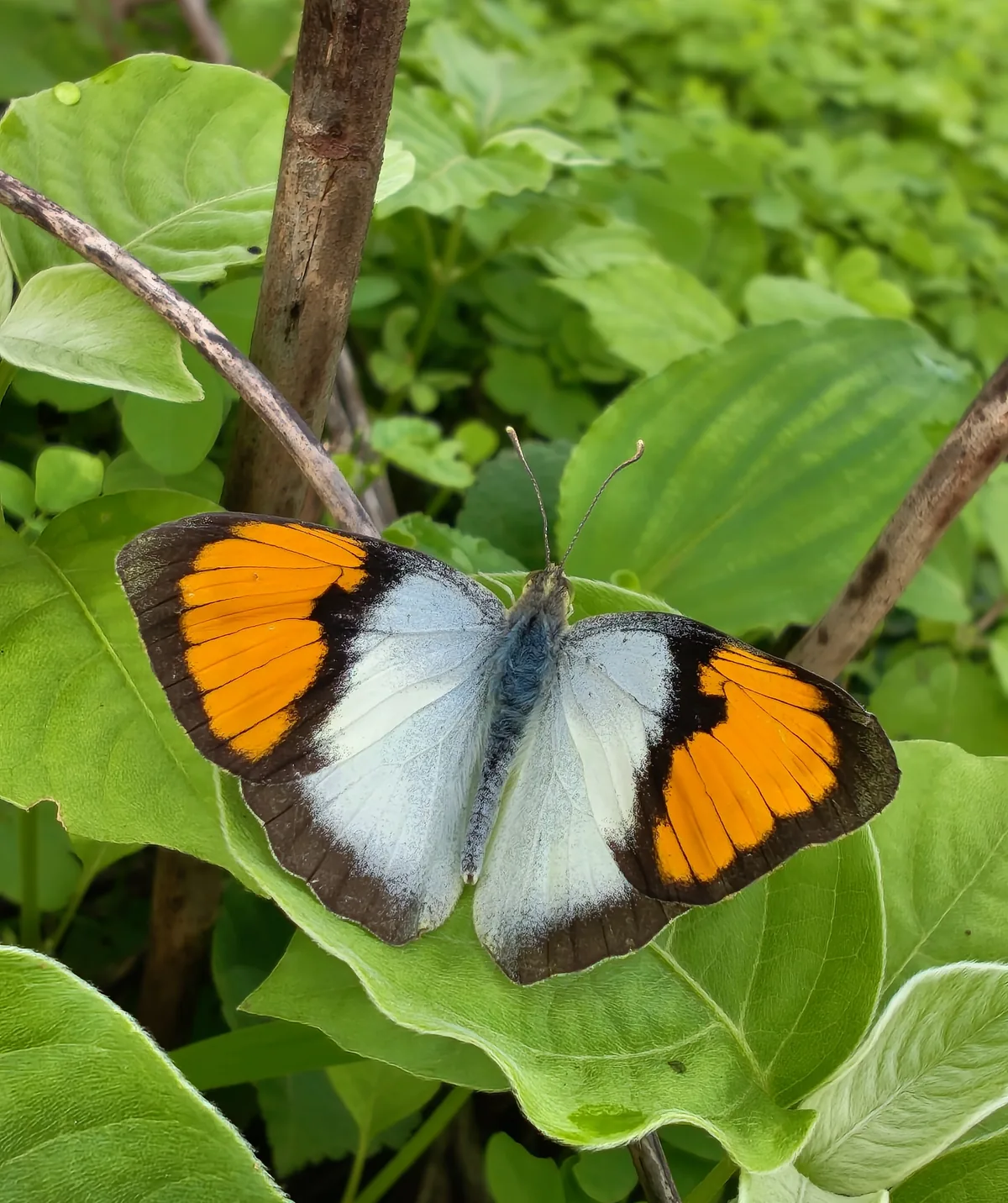
Look closely at seasonal wildflowers, grasses, shrubs, butterflies and bees—and the relationships that hold this dry landscape together.
Wildflowers
Grasses & shrubs
Butterflies & bees
Gentle paceMacro observationNo collection
What can be observed changes with rainfall, flowering and season.
Wetland · scrub · farmland
Water · birds · seasonal change
Wetland & open-country trail
Read the waterbody, scrub, farmland and woodland edge through birds, tracks, calls and seasonal change. The focus is habitat understanding, not a promised sighting.
Birds & calls
Tracks & signs
Seasonal water
Sunrise optionHabitat learningNo sighting promise
Route and timing would follow water conditions, verified access and wildlife sensitivity.
Village · water places · living heritage
Place · memory · local stories
Heritage & village trail
Explore farms, old water places and sacred or historic sites, with local stories. Photographs of people or private places would be shared only with community consent.
Farms & water places
Sacred sites
Local stories
Locally ledConsent firstPhotography by permission
Access would depend on land status, local consent and respect for active places of worship.
Day programme · proposed pilot
Schools · Nature interpretation
School Nature Field Day
One supervised group of up to 15 students, organised by age band 9–13 or 14–17, learns to read the village landscape as one connected ecosystem through a locally guided habitat walk and one focused workshop.
Flora & plant relationships
Habitat interpretation
Nature interpretation
Bird observation
Insects & butterflies
Day visit onlyUp to 15 students + school chaperonesOne age band per batch
Route, timing and activity would be adapted to age, season, weather, permissions and wildlife sensitivity. Observation and field notes only—no collection or wildlife handling.
सुकून भरी यात्रा, स्थानीय जुड़ाव
गाँव में ठहरें, इस इलाके को करीब से जानें
इस गाँव में थोड़ी दूरी के भीतर मौसमी तालाब, खुली झाड़ियाँ, खेत, जंगल का किनारा और पुराने आस्था स्थल मिलते हैं। यह प्रस्ताव उन यात्रियों के लिए है जो आराम से प्रकृति देखना, सादा स्थानीय आतिथ्य और गाँव के जीवन को सम्मान के साथ समझना चाहते हैं।
एक समय में पहले से तय अधिकतम चार वयस्कों का एक समूह ठहरेगा। इससे अलग, बिना रात में ठहरे स्कूल के दिन के कार्यक्रम में 9–13 या 14–17 वर्ष के अधिकतम 15 विद्यार्थी स्कूल की ओर से तय शिक्षकों या जिम्मेदार वयस्कों के साथ भाग ले सकेंगे।
रात का ठहराव1–4प्रति समूह वयस्क
स्कूल फील्ड डेअधिकतम 15विद्यार्थी + स्कूल के शिक्षक
सीखने के कार्यक्रम4गाइड के साथ, कुछ भी इकट्ठा नहीं
स्थानीय भागीदारीस्थानीयमेजबानी, भोजन और मार्गदर्शन
गाइड के साथ प्रकृति सीखने के कार्यक्रम
तीन प्रकृति भ्रमण। स्कूल के लिए एक फील्ड डे।
हर कार्यक्रम स्थानीय गाइड के साथ होगा और प्रकृति से कुछ भी इकट्ठा नहीं किया जाएगा। रास्ते और गतिविधियाँ मौसम, जाँची हुई पहुँच, वन्यजीवों की संवेदनशीलता और समूह की सुविधा के अनुसार तय होंगी।
मौसम के अनुसार · आराम से भ्रमण
पौधे · परागण · फील्ड नोट्स
फूल-पौधों, तितलियों और मधुमक्खियों की सैर
मौसमी जंगली फूलों, घास, झाड़ियों, तितलियों और मधुमक्खियों को करीब से देखें और समझें कि ये मिलकर इस इलाके के प्राकृतिक तंत्र को कैसे सहारा देते हैं।
जंगली फूल
घास और झाड़ियाँ
तितलियाँ और मधुमक्खियाँ
आराम से चलनाकरीब से देखनाकुछ इकट्ठा नहीं करना
क्या दिखाई देगा, यह बारिश, फूल आने के समय और मौसम पर निर्भर करेगा।
जलाशय · झाड़ियाँ · खेत
पानी · पक्षी · बदलता मौसम
मौसमी तालाब और खुले इलाके की ट्रेल
पक्षियों, पैरों के निशान, आवाज़ों और मौसम के बदलाव से तालाब, झाड़ियों, खेतों और जंगल के किनारे को समझें। किसी वन्यजीव के दिखने की गारंटी नहीं होगी।
पक्षी और उनकी आवाज़ें
पैरों के निशान
मौसमी पानी
सुबह का विकल्पप्राकृतिक आवास को समझनादिखने की गारंटी नहीं
रास्ता और समय पानी की स्थिति, स्वीकृत पहुँच और वन्यजीवों की संवेदनशीलता के अनुसार तय होगा।
गाँव · पुराने जलस्रोत · जीवित विरासत
जगह · यादें · स्थानीय कहानियाँ
विरासत और गाँव की सैर
खेतों, पुराने जलस्रोतों और आस्था या इतिहास से जुड़ी जगहों को स्थानीय कहानियों के साथ जानें। लोगों या निजी जगहों की तस्वीरें समुदाय की सहमति से ही साझा की जाएँगी।
खेत और जलस्रोत
आस्था के स्थान
स्थानीय कहानियाँ
स्थानीय गाइडपहले सहमतिअनुमति से फोटोग्राफी
रास्ता भूमि की स्थिति, स्थानीय सहमति और पूजा के सक्रिय स्थानों के सम्मान के अनुसार तय होगा।
दिन का कार्यक्रम · प्रस्तावित पायलट
स्कूल · प्रकृति को समझने का कार्यक्रम
स्कूल नेचर फील्ड डे
9–13 या 14–17 वर्ष के अधिकतम 15 विद्यार्थियों का एक समूह स्कूल के शिक्षकों या जिम्मेदार वयस्कों की देखरेख में भाग ले सकेगा। स्थानीय गाइड के साथ प्रकृति भ्रमण और चुने हुए विषय पर एक वर्कशॉप के जरिए बच्चे समझेंगे कि गाँव के अलग-अलग प्राकृतिक आवास एक-दूसरे से कैसे जुड़े हैं।
स्थानीय पेड़-पौधे और उनके आपसी संबंध
प्राकृतिक आवास को समझना
प्रकृति के संकेत पढ़ना
पक्षी देखना और पहचानना
कीट-पतंगे और तितलियाँ
केवल दिन का कार्यक्रमअधिकतम 15 विद्यार्थी + स्कूल के शिक्षक/जिम्मेदार वयस्कहर बैच में एक ही आयु-वर्ग
रास्ता, समय और गतिविधियाँ बच्चों की उम्र, मौसम, जरूरी अनुमतियों और वन्यजीवों की संवेदनशीलता के अनुसार तय होंगी। केवल देखना और फील्ड नोट्स बनाना शामिल होगा—कुछ इकट्ठा करना या वन्यजीवों को छूना मना होगा।
Controlled by design
A small pilot with clear limits
The operating model separates the adult homestay from school day visits and places access, safety and habitat protection ahead of volume.
01Capacity
Up to four adult overnight guests or one 15-student day batch—never both at the same time during the initial pilot.
02Access
Only legally accessible, pre-cleared routes, timings and seasonal windows; departmental directions take precedence.
03Safety
Named facilitators, school chaperones, first aid, attendance and emergency contacts, weather checks and a return-time plan.
04Conservation
No wildlife guarantees, sensitive-location publicity, collection, handling, playback, feeding, fires or off-route movement.
पहले से तय नियम
छोटा पायलट, साफ सीमाएँ
वयस्कों का होमस्टे और स्कूल का दिन का कार्यक्रम अलग-अलग चलेंगे। अधिक संख्या के बजाय सुरक्षित पहुँच और वन्यजीवों के आवास की रक्षा को प्राथमिकता दी जाएगी।
01क्षमता
एक समय में अधिकतम चार वयस्क रात में ठहरेंगे या 15 विद्यार्थियों का एक दिन का बैच आएगा—शुरुआती पायलट में दोनों एक साथ नहीं होंगे।
02पहुँच
केवल उन्हीं रास्तों का उपयोग होगा जहाँ जाना कानूनी रूप से मंजूर हो और जिन्हें पहले जाँच लिया गया हो। समय और मौसम की सीमा लागू होगी, और वन विभाग के निर्देश सर्वोपरि होंगे।
03सुरक्षा
नामित टीम सदस्य, स्कूल के शिक्षक या जिम्मेदार वयस्क, फर्स्ट-एड, उपस्थित लोगों की सूची, आपात संपर्क, मौसम की जाँच और लौटने का तय समय।
04संरक्षण
वन्यजीव दिखने का कोई वादा नहीं। संवेदनशील जगहों को सार्वजनिक करना, कुछ इकट्ठा करना, वन्यजीवों को छूना या खिलाना, रिकॉर्ड की हुई पक्षी आवाज़ें बजाना, आग जलाना या तय रास्ते से हटना मना होगा।
Shared value
Designed to benefit three partners at once
The pilot only makes sense if the village, the Forest Department and the wider Mukundara habitat each come out stronger. Every operating decision would be tested against all three.
Local communities
Income that stays in the village
Host families keep the room and meal income directly.
Paid work for local guides, cooks and helpers, with women and young people prioritised for training.
Local produce, crafts and services bought first, at fair rates.
A fixed share of every booking goes to a village fund agreed with the gram sabha or eco-development committee.
Forest Department
A partner on the ground, not a burden
Operates only on routes, timings and group sizes the Department approves, under its directions.
A conservation contribution from each visit, routed as the Department decides.
Visitors and students briefed on reserve rules, fire risk and reporting before every walk.
Shares non-sensitive observation summaries and issues noticed, privately and promptly.
MHTR habitat
More people who care, less pressure on the land
A local livelihood that depends on healthy habitat gives villagers a direct stake in protecting it.
School programmes build the next generation of habitat stewards.
No new construction, no vehicles inside forest, no sighting promises.
Records go to citizen-science platforms with sensitive locations obscured.
Why this model: the National Tiger Conservation Authority’s 2012 tourism guidelines for tiger reserves (issued under section 38-O of the Wild Life (Protection) Act) favour low-impact, community-based ecotourism outside core areas, local employment and a conservation levy that supports local communities and eco-development. This proposal follows that direction; the final model would be whatever the Forest Department and village agree.
साझा लाभ
तीनों साझेदारों के लाभ के लिए बनाया गया
यह पायलट तभी सार्थक है जब गाँव, वन विभाग और मुकुंदरा का प्राकृतिक आवास—तीनों मजबूत हों। हर निर्णय इन तीनों की कसौटी पर परखा जाएगा।
स्थानीय समुदाय
आय जो गाँव में ही रहे
कमरे और भोजन की आय सीधे मेजबान परिवारों को।
स्थानीय गाइड, रसोइयों और सहायकों के लिए भुगतान वाला काम; प्रशिक्षण में महिलाओं और युवाओं को प्राथमिकता।
स्थानीय उपज, हस्तशिल्प और सेवाएँ पहले, उचित दाम पर।
हर बुकिंग का तय हिस्सा ग्राम सभा या इको-डेवलपमेंट कमेटी के साथ तय किए गए गाँव कोष में।
वन विभाग
बोझ नहीं, ज़मीनी साझेदार
केवल विभाग द्वारा मंजूर रास्तों, समय और समूह-संख्या पर, उसके निर्देशों के अनुसार संचालन।
हर भ्रमण से संरक्षण योगदान, जिसे विभाग जैसे तय करे वैसे दिया जाए।
हर सैर से पहले आगंतुकों और विद्यार्थियों को रिज़र्व के नियम, आग के खतरे और सूचना देने के तरीके की जानकारी।
गैर-संवेदनशील अवलोकन सारांश और देखी गई समस्याएँ निजी रूप से और तुरंत साझा करना।
एमएचटीआर का प्राकृतिक आवास
परवाह करने वाले अधिक लोग, ज़मीन पर कम दबाव
स्वस्थ आवास पर निर्भर आजीविका से ग्रामीणों का उसकी रक्षा में सीधा हित बनता है।
स्कूल कार्यक्रम अगली पीढ़ी के प्रकृति-संरक्षक तैयार करते हैं।
कोई नया निर्माण नहीं, जंगल में वाहन नहीं, वन्यजीव दिखाने का वादा नहीं।
रिकॉर्ड नागरिक-विज्ञान प्लेटफॉर्म पर, संवेदनशील स्थान छिपाकर।
यह मॉडल क्यों: राष्ट्रीय बाघ संरक्षण प्राधिकरण (NTCA) के 2012 के बाघ रिज़र्व पर्यटन दिशानिर्देश (वन्यजीव संरक्षण अधिनियम की धारा 38-O के तहत) कोर क्षेत्र से बाहर कम असर वाले, समुदाय-आधारित इको-पर्यटन, स्थानीय रोज़गार और स्थानीय समुदायों व इको-डेवलपमेंट के लिए संरक्षण शुल्क को बढ़ावा देते हैं। यह प्रस्ताव उसी दिशा में है; अंतिम मॉडल वही होगा जिस पर वन विभाग और गाँव सहमत हों।
Sustainable by design
A light footprint, written down
These commitments would be part of the operating agreement, checked at every review.
01No new building
Rooms in existing village homes only. No resort, no concrete in habitat, no new tracks.
02Water and energy
Bucket-and-tap water use, no private borewells for guests, solar lighting where homes already have it.
03Zero waste out
No single-use plastic. Refill water, compost food waste, and carry back everything else.
04Local food
Seasonal village meals from local farms; no bushmeat, no forest produce collected for guests.
05Quiet observation
No playback, baiting, flash at night, drones or chasing. Walks follow the Department’s rules.
06Seasonal rest
Pauses during sensitive months, heavy rain or fire risk, as the Department and community decide.
07Small and capped
One small group at a time; volume never grows without a fresh review.
08Locations stay private
No public route maps, wildlife coordinates or geotagged photos from the pilot area.
शुरू से टिकाऊ
प्रकृति पर हल्का असर, लिखित रूप में
ये प्रतिबद्धताएँ संचालन समझौते का हिस्सा होंगी और हर समीक्षा में जाँची जाएँगी।
01कोई नया निर्माण नहीं
केवल गाँव के मौजूदा घरों में कमरे। कोई रिसॉर्ट नहीं, आवास में कंक्रीट नहीं, कोई नया रास्ता नहीं।
02पानी और ऊर्जा
बाल्टी-नल से पानी, मेहमानों के लिए कोई निजी बोरवेल नहीं, जहाँ घरों में पहले से है वहाँ सौर रोशनी।
03कचरा वापस
एकल-उपयोग प्लास्टिक नहीं। पानी दोबारा भरें, भोजन का कचरा खाद बने, बाकी सब वापस ले जाएँ।
04स्थानीय भोजन
स्थानीय खेतों से मौसमी गाँव का भोजन; जंगली जीवों का मांस नहीं, मेहमानों के लिए वन उपज संग्रह नहीं।
05शांत अवलोकन
रिकॉर्ड की आवाज़ें, चारा, रात में फ्लैश, ड्रोन या पीछा करना नहीं। सैर विभाग के नियमों के अनुसार।
06मौसमी विराम
संवेदनशील महीनों, भारी बारिश या आग के खतरे में विराम, जैसा विभाग और समुदाय तय करें।
07छोटा और सीमित
एक समय में एक छोटा समूह; नई समीक्षा के बिना संख्या कभी नहीं बढ़ेगी।
08स्थान निजी रहेंगे
पायलट क्षेत्र के सार्वजनिक रास्ते के नक्शे, वन्यजीव निर्देशांक या जियोटैग की गई तस्वीरें नहीं।
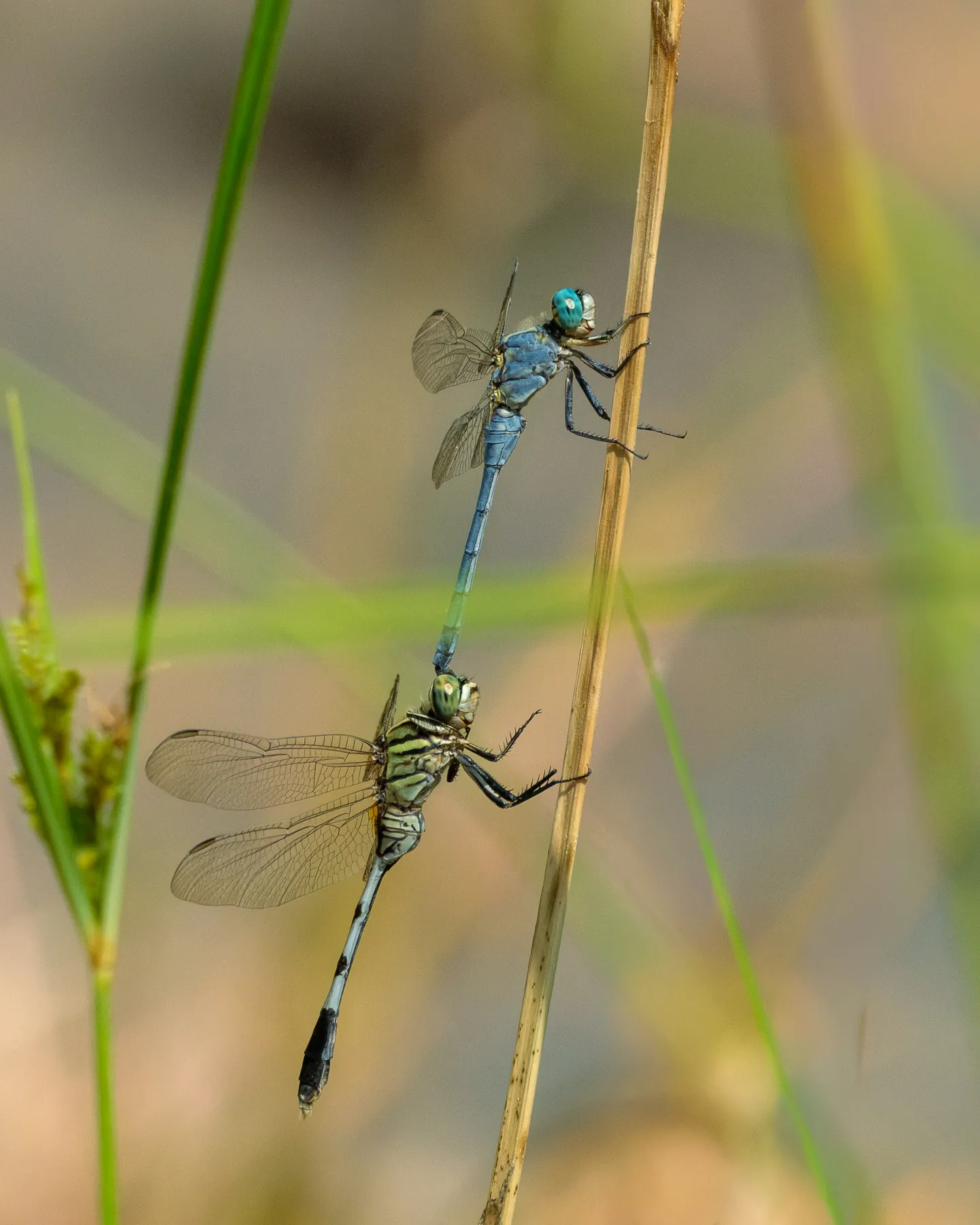
One walk, many habitatsWetland · farmland · scrub · woodland edgeएक सैर, कई तरह के प्राकृतिक इलाकेमौसमी तालाब · खेत · झाड़ियाँ · जंगल का किनारा
Look beyond the obvious
Small worlds reward slow eyes
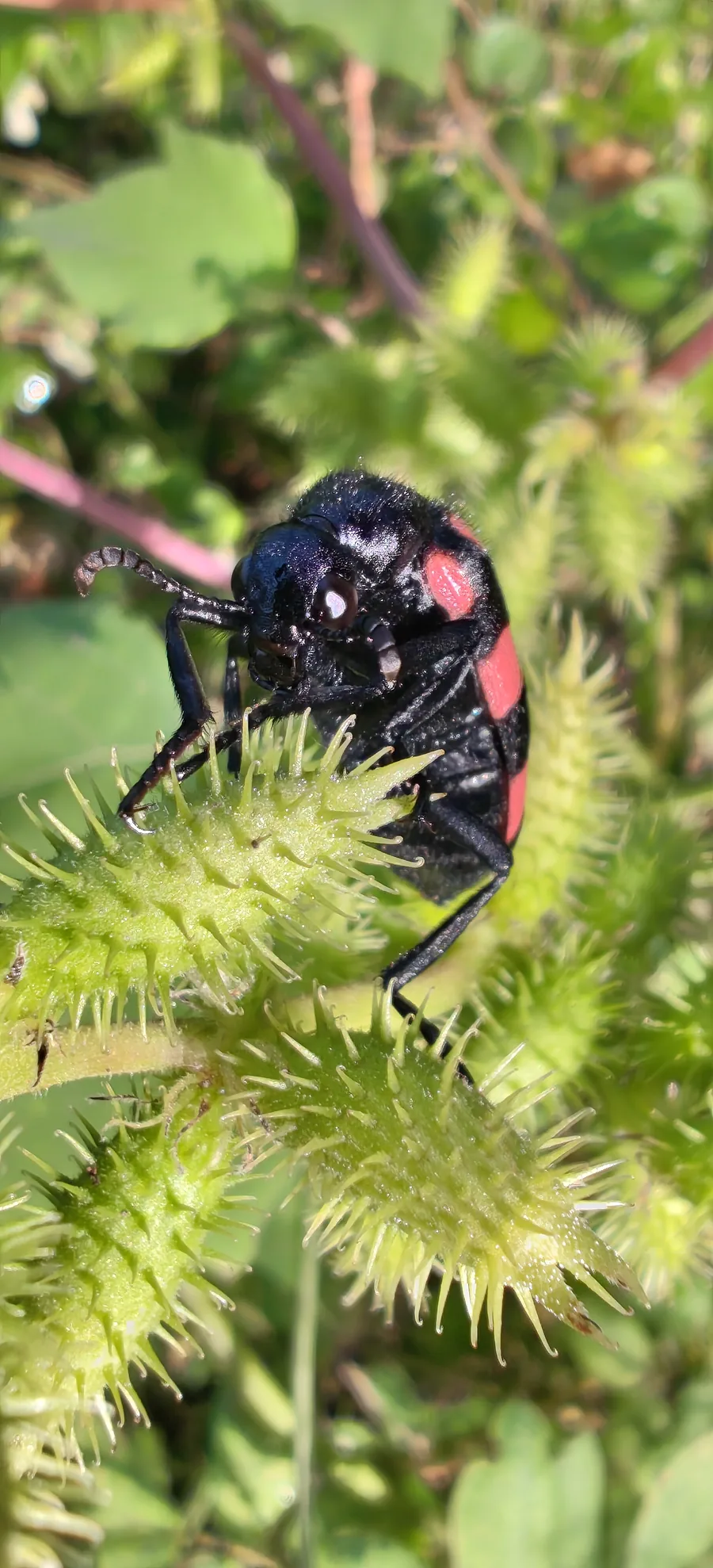
Flowers, pollinators and insects turn a short walk into a changing field notebook.
छोटी चीज़ों पर भी नज़र डालें
धीरे देखें, प्रकृति की छोटी दुनिया खुलती है
फूल, तितलियाँ और दूसरे कीट हर छोटी सैर में देखने-समझने के लिए कुछ नया जोड़ देते हैं।
Observe without disturbance
Birds and wildlife of this landscape
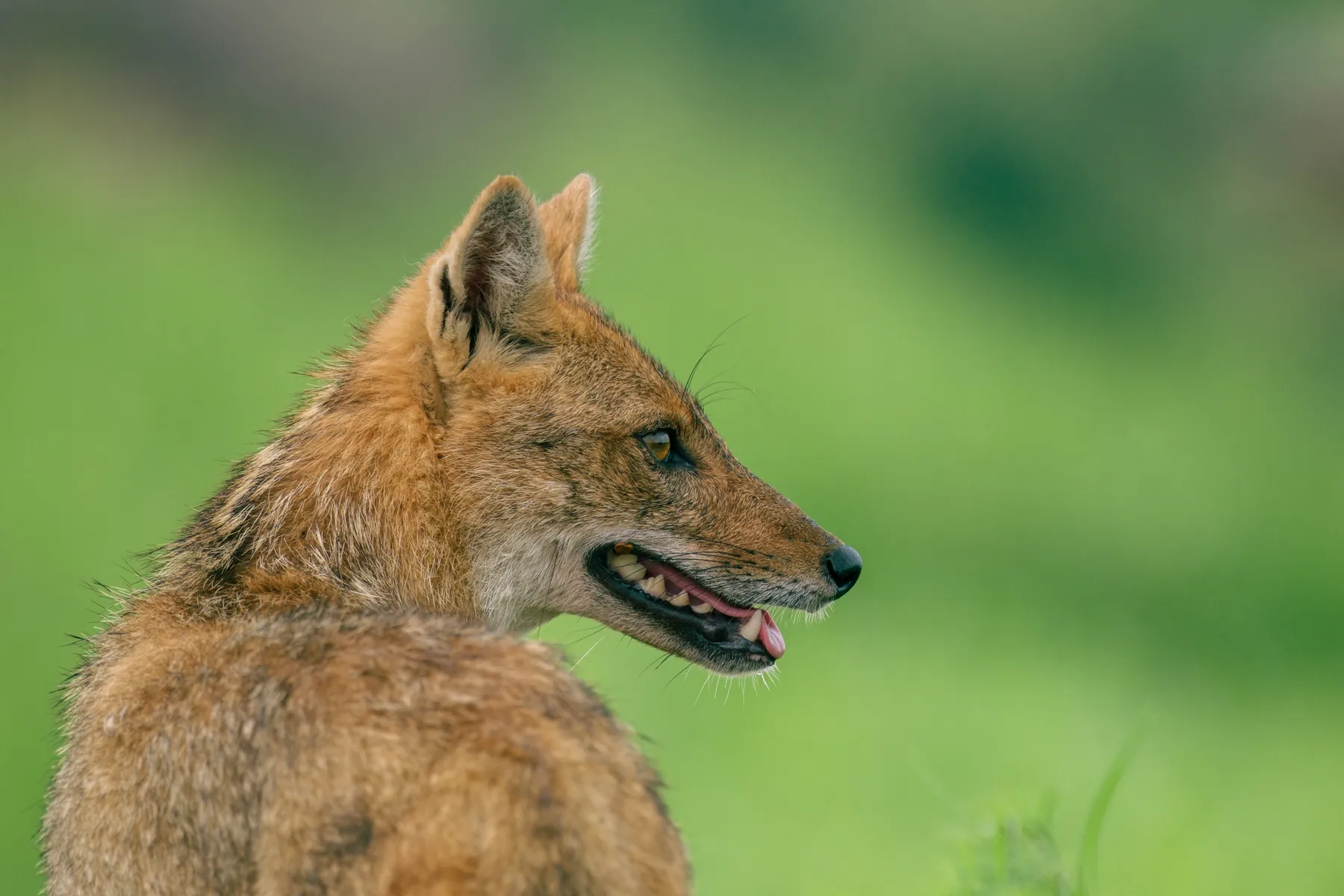
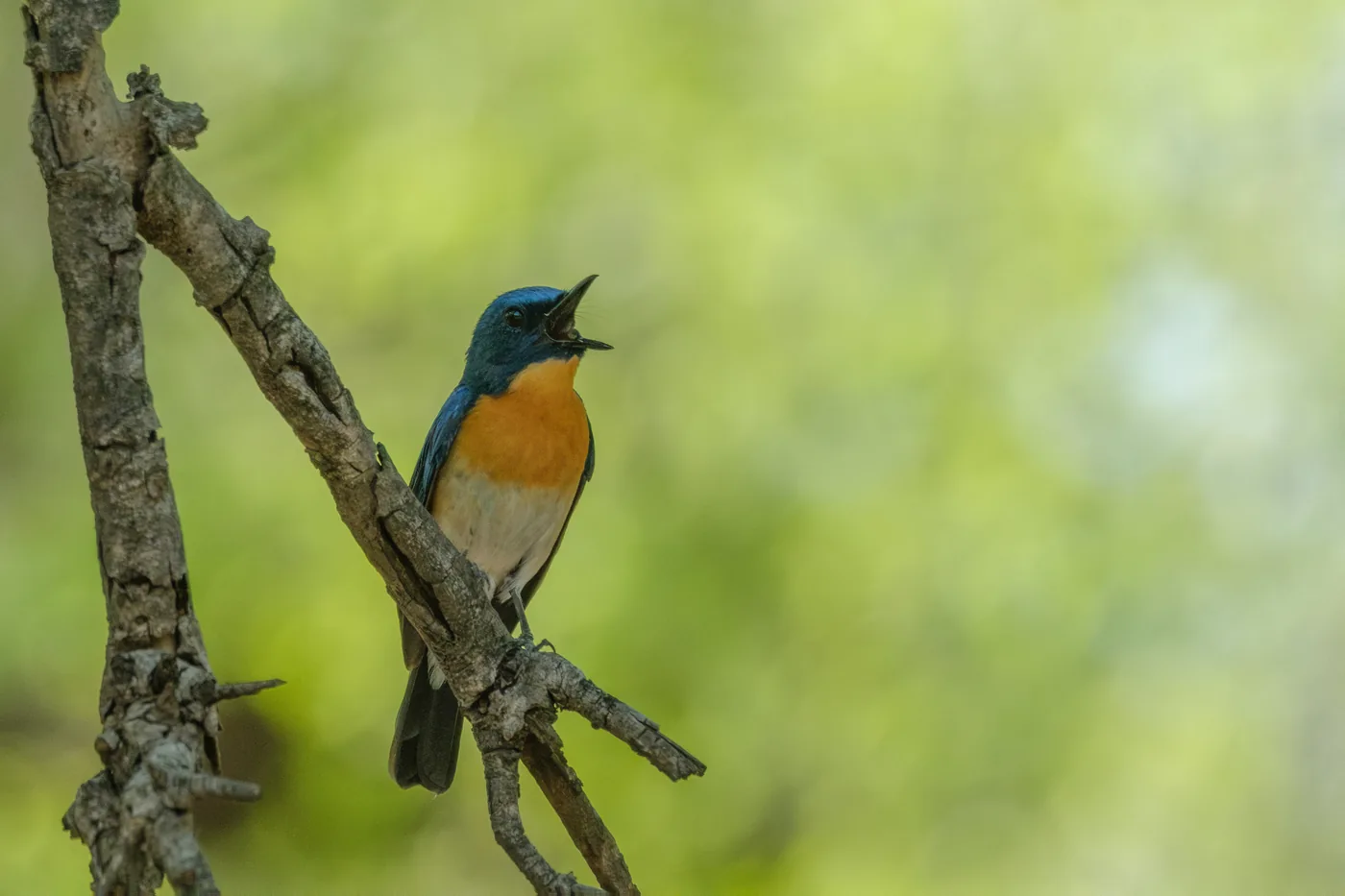
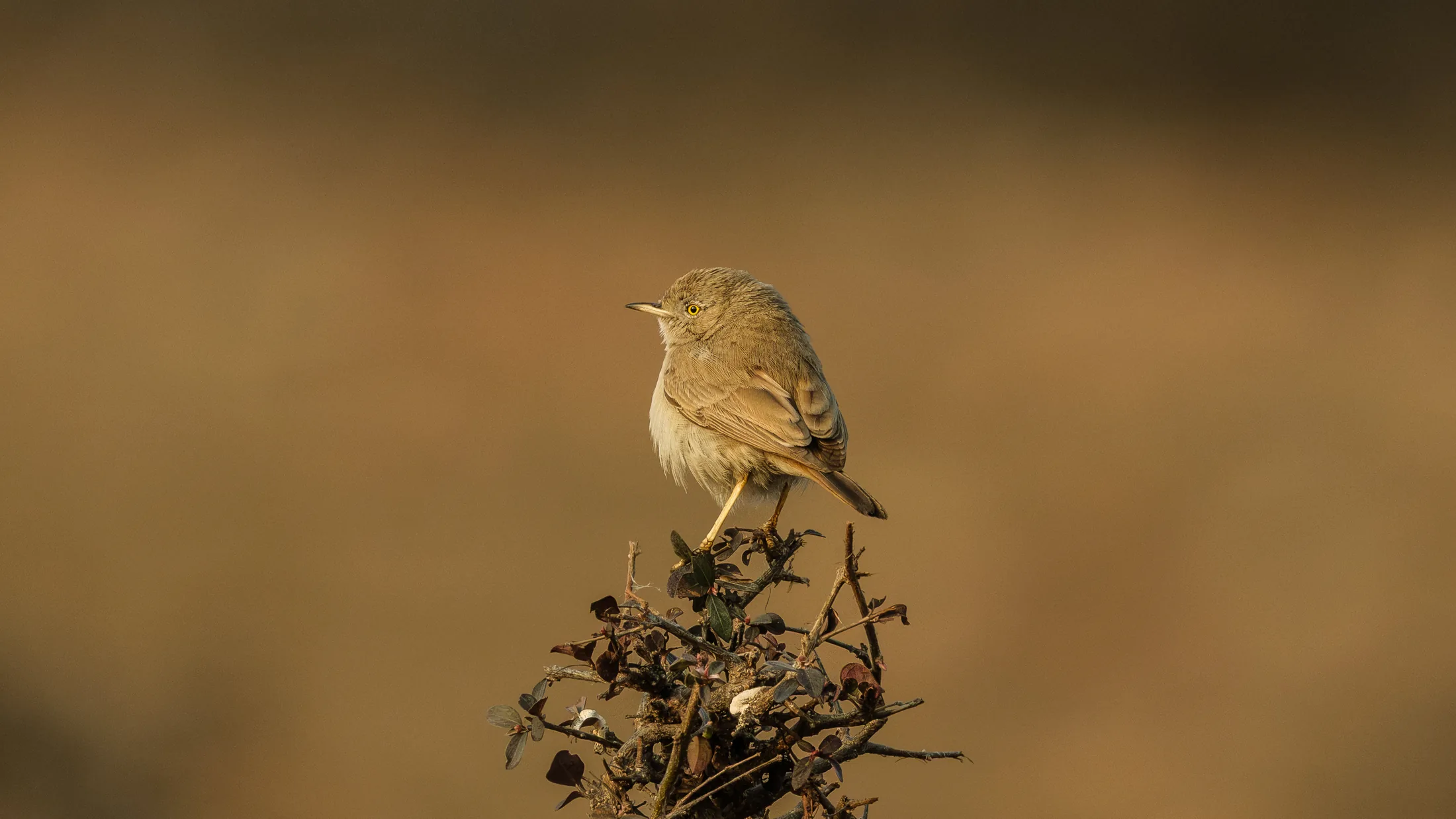
A selection of Vinay Chittora's photographs of species that share this kind of country. Not every frame was taken at the village, and no location is given for any of them. Open any image for a closer view. What can be seen changes with rainfall, flowering, crops and migration; no sighting is promised.
देखें, पहचानें, बिना दखल लौटें
इस इलाके के पक्षी और वन्यजीव
विनय चित्तौड़ा की कुछ तस्वीरें, उन प्रजातियों की जो ऐसे इलाकों में रहती हैं। सभी तस्वीरें गाँव में नहीं ली गईं, और किसी का स्थान नहीं बताया गया है। किसी तस्वीर को बड़ा देखने के लिए उस पर क्लिक करें। मौसम के साथ दृश्य बदलते हैं; किसी वन्यजीव के दिखने की गारंटी नहीं है।
Indian PittaनवरंगCrested Serpent Eagleसर्प चीलRed-headed Vultureराज गिद्धIndian RollersनीलकंठCommon Tailorbirdदर्जिन चिड़ियाSpotted Owletsचित्तीदार उल्लूCommon Hawk-CuckooपपीहाWhite-throated Kingfisherसफ़ेद-कंठ किलकिलाIndian Hareभारतीय खरहाLong-tailed Shrike at sunriseसूर्योदय पर लंबी पूँछ वाला लटोराBlack-headed Cuckooshrikeब्लैक-हेडेड कुक्कूश्राइकCommon Kingfisherछोटा किलकिलाCommon Woodshrikeकॉमन वुडश्राइकIndian Cuckooshrikeइंडियन कुक्कूश्राइकPheasant-tailed JacanaजलमयूरGreater Painted-snipeग्रेटर पेंटेड-स्नाइपCommon Leopard butterfliesकॉमन लेपर्ड तितलियाँ
Explore real observations
See what has been recorded nearby
Browse community-contributed records to understand the landscape across seasons. These lists are a guide to possibility, not a promise of sightings.
पास के दर्ज रिकॉर्ड देखें
जानें, आसपास कौन-सी प्रजातियाँ दर्ज हुई हैं
अलग-अलग मौसमों में इस इलाके को समझने के लिए स्थानीय लोगों और प्रकृति प्रेमियों द्वारा दर्ज रिकॉर्ड देखें। ये सूचियाँ केवल संभावनाएँ दिखाती हैं; किसी वन्यजीव के दिखने की गारंटी नहीं है।
General landscape view · not a route mapइलाके का सामान्य दृश्य · यह रास्ते का नक्शा नहीं है
Privacy before publicity
Why there is no public map
Trail lines, forest-post locations and host homes are working details. They are shared only with the Forest Department, the village and partners during review, never published. Exact routes would be fixed only after land-status checks, local consent and departmental approval.
WetlandFarmlandScrubWoodland edge
Planning principle: keeping wildlife places and people’s homes off the internet protects both. Visitors are met in the village and walk only with a local guide.
प्रचार से पहले सुरक्षा
सार्वजनिक नक्शा क्यों नहीं है
रास्तों की रेखाएँ, वन चौकियों के स्थान और मेजबानों के घर योजना की आंतरिक जानकारी हैं। ये समीक्षा के दौरान केवल वन विभाग, गाँव और साझेदारों के साथ साझा की जाती हैं, सार्वजनिक नहीं की जातीं। अंतिम रास्ते भूमि की स्थिति, स्थानीय सहमति और विभाग की मंजूरी के बाद ही तय होंगे।
मौसमी तालाबखेतझाड़ियाँजंगल का किनारा
योजना का नियम: वन्यजीवों की जगहों और लोगों के घरों को इंटरनेट से दूर रखना दोनों की रक्षा करता है। आगंतुक गाँव में मिलेंगे और केवल स्थानीय गाइड के साथ चलेंगे।
Simple by design
What the proposed stay would include
A clean room in a local host’s home
Simple local meals agreed around dietary needs
Safe drinking water, clean bedding and mosquito protection
Locally guided walks within permitted areas
One adult homestay group at a time; school batches are separate supervised day programmes
This would not be a resort. Comfort, safety, quiet and genuine local benefit would take priority over luxury.
जान-बूझकर सादा
प्रस्तावित होमस्टे में क्या मिलेगा
स्थानीय मेजबान के घर में एक साफ कमरा
खाने की जरूरतों के अनुसार पहले से तय सादा स्थानीय भोजन
पीने का सुरक्षित पानी, साफ बिस्तर और मच्छरों से बचाव
केवल अनुमति वाले क्षेत्रों में स्थानीय गाइड के साथ सैर
एक समय में वयस्कों का एक होमस्टे समूह; स्कूल के बैच अलग, देखरेख वाले दिन के कार्यक्रम होंगे
यह रिसॉर्ट नहीं होगा। यहाँ लक्ज़री से अधिक आराम, सुरक्षा, शांति और स्थानीय लोगों को मिलने वाला वास्तविक लाभ महत्वपूर्ण होगा।
Next step · Departmental review
A pilot to review, not a product to book
Before any date is discussed, the project will document host readiness, legal access, programme leadership, school supervision where relevant, emergency arrangements and the applicable permissions.
Adult homestay pilotOne pre-booked group · 1–4 adults
Existing host home, local meals and guided interpretation on cleared routes.
School nature-learning pilotOne day batch · up to 15 students
One age band, school chaperones, structured habitat learning and no overnight stay.
अगला कदम · वन विभाग की समीक्षा
यह पायलट पहले समीक्षा के लिए है, अभी बुकिंग के लिए नहीं
किसी तारीख की बात करने से पहले मेजबान की तैयारी, कानूनी पहुँच, कार्यक्रम चलाने वाली टीम, जहाँ लागू हो स्कूल द्वारा तय देखरेख, आपात व्यवस्था और लागू अनुमतियाँ लिखित रूप में दर्ज की जाएँगी।
वयस्क होमस्टे पायलटपहले से तय एक समूह · 1–4 वयस्क
स्थानीय मेजबान का मौजूदा घर, स्थानीय भोजन और जाँचे व मंजूर रास्तों पर गाइड के साथ प्रकृति की जानकारी।
स्कूल प्रकृति-शिक्षा पायलटदिन का एक बैच · अधिकतम 15 विद्यार्थी
एक आयु-वर्ग, स्कूल के शिक्षक या जिम्मेदार वयस्क, तय प्रकृति-अध्ययन कार्यक्रम और रात में ठहराव नहीं।
A careful beginning
Small groups. Local benefit. A lighter footprint.
The proposal will move forward only when local consent, legally accessible routes, required permissions, trained facilitators and safety arrangements are documented.
सावधानी से शुरुआत
छोटे समूह। स्थानीय लाभ। प्रकृति पर कम असर।
यह प्रस्ताव तभी आगे बढ़ेगा, जब स्थानीय सहमति, कानूनी रूप से मंजूर रास्ते, जरूरी अनुमतियाँ, प्रशिक्षित टीम और सुरक्षा व्यवस्था लिखित रूप में दर्ज होंगी।
Reader-Supported
Keeping Mukundara's record accurate takes steady work
Every page here is researched from notifications, plans and papers, checked again when sources change,
and paired with field visits, maps and photographs. Hosting, the document archive, GIS work and the hours
spent verifying facts are funded by readers. If MHTR.in is useful to you, a contribution keeps it
independent, ad-free and up to date.

 Season-led · gentle exploration